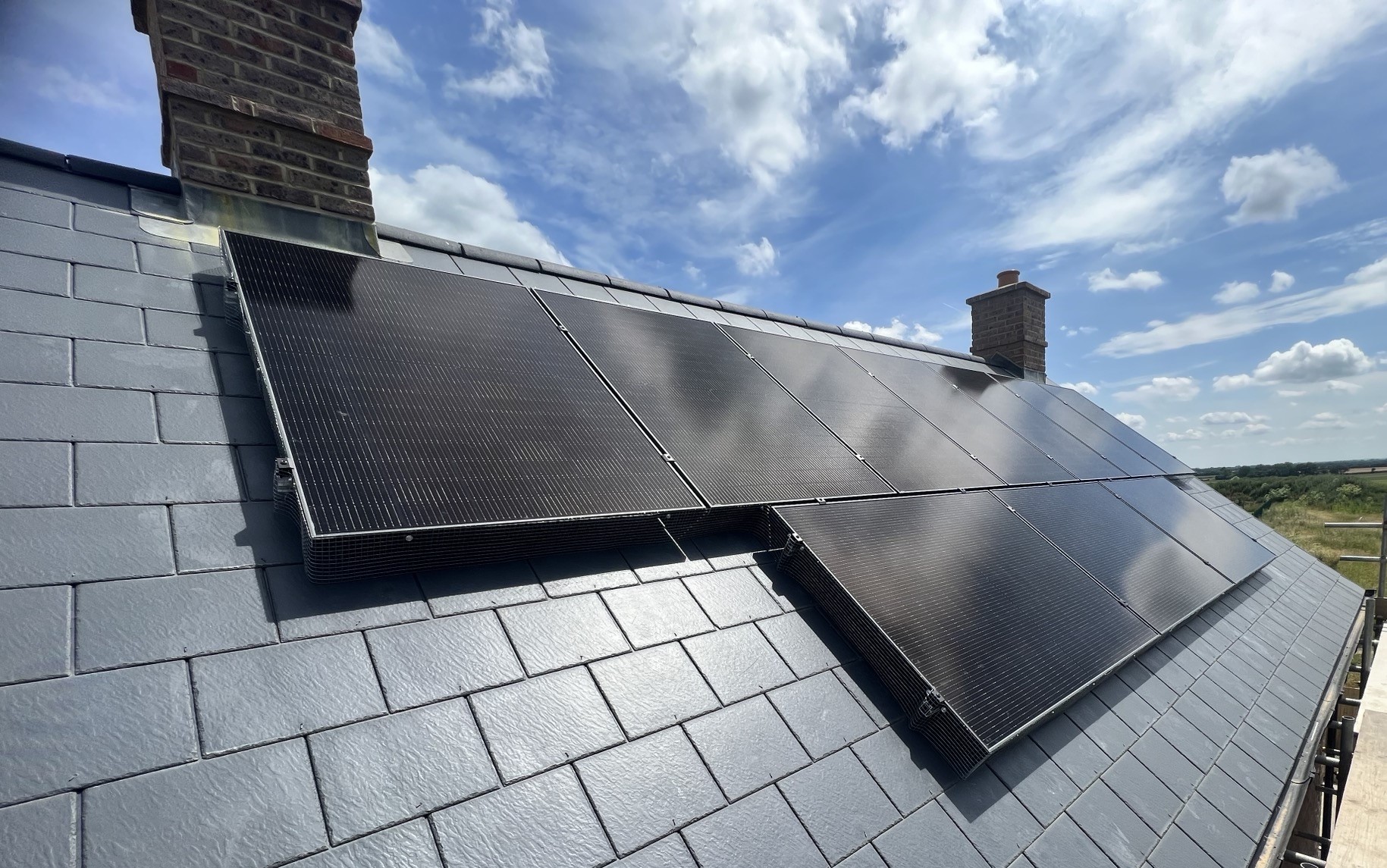
When looking into solar panels, it is worth knowing what happens if you produce more electricity than you can use. Understanding how excess solar energy is handled it essential when designing a system that delivers maximum value, efficiency and long term savings.
At SolarTherm UK we guide you through the entire solar journey – from initial enquiry and system design to professional installation and ongoing aftercare – ensuring your system works as hard as possible for you.
Why Excess Solar Energy Is Generated
Solar panels often generate their highest output during the middle of the day, when sunlight is at its strongest. Many households are out at work, school or leisure activities during these hours, meaning electricity demand is relatively low.
This mismatch between generation and usage is where excess solar energy comes into play.
Option 1: Exporting Electricity Back to the Grid
If your system produces more electricity than your property requires at that moment, the surplus is automatically exported to the National Grid. Most UK solar installations are eligible for the Smart Export Guarantee (SEG), provided their solar PV system has been installed by a MCS accredited installer. Under SEG, energy suppliers pay you for each unit (kWh) of electricity you export.
Export happens automatically, with your inverter and smart meter determining when electricity needs to be directed to your home and when it is not needed and can therefore be directed back to the grid. SEG payments will vary depending on the supplier, with many suppliers offering better export tariffs for existing customers on an import tariff with them.
While export payments alone should not be the sole reason for installing solar, they do provide a useful supplementary income stream, which can contribute to lowering your payback period.
Option 2: Storing Excess Energy in a Solar Battery
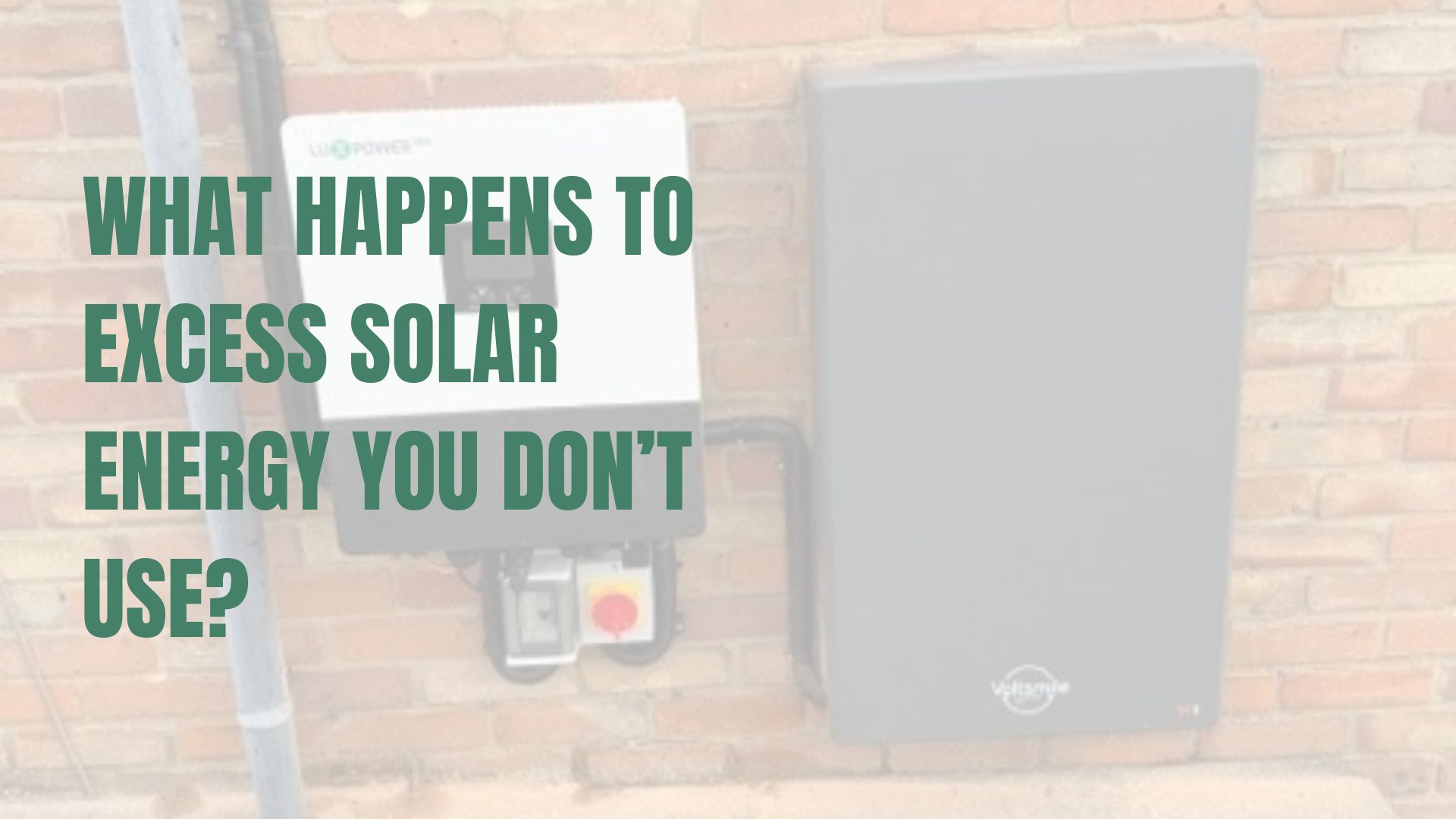
Solar battery storage is becoming an increasingly popular part of a solar PV system. It is one of the most effective ways to maximise self-consumption. Instead of exporting surplus electricity, your inverter will direct it to be stored in a battery for use later, typically in the evening or overnight when solar panels are no longer generating.
Battery storage helps reduce reliance on expensive, peak rate electricity, giving you better protection and control over rising energy prices. With battery storage, you can also take advantage of time of use tariffs, benefitting from overnight lower import rates to fill your battery so you can take advantage of cheaper electricity during early evening when import rates are at their highest.
For many households, batteries significantly improve the financial performance of a solar PV system, more than justifying their initial upfront cost.
Option 3: Solar Diverter to Power Your Home
Excess solar energy can also be diverted into your home using a solar diverter to heat your hot water cylinder for heating and hot water. Instead of exporting energy or storing it in a battery, you effectively turn sunlight into free hot water.
Other smart technologies can prioritise excess energy for EV charging, to power heat pumps and appliances scheduled via smart controls.
What Happens If You Have No Battery or Diverter?
If you don’t have a battery or diverter installed, surplus energy will simply be exported back to the grid. Nothing is wasted, but you will not receive payment for the exported payments until you have registered for an export tariff with a supplier.
How SolarTherm UK Designs Systems for Maximum Value
At SolarTherm UK we do not take a one size fits all approach to solar design. Every system we design is tailored to the property, usage and energy needs of the household. We take into account your typical electricity usage patterns, roof space and orientation and any shading that could affect your solar generation. We’ll ask you questions around your future plans, including adding in an EV (electric vehicle) or heat pump and work your design around your budget and long term energy goals.
Our aim is to ensure that as much of your solar energy as possible is used or stored on-site, delivering the highest return on investment over the system’s lifetime.
Long Term Aftercare and Support
Solar energy doesn’t stop once your installation is complete, well it shouldn’t, and if it does, SolarTherm UK is available to provide ongoing support, advice and system optimisation to ensure your solar PV system continues to perform efficiently year after year.
Thinking About Solar?
Understanding what happens to excess solar energy is a key step in making an informed decision. With the right design, technology and guidance, surplus electricity becomes an asset, not a problem.
If you are considering solar panels in the South East and want a system designed around how you actually use energy, then SolarTherm UK is here to help. Contact SolarTherm UK today for a free, no obligation quote and design, tailored to your property, usage and future energy needs. No hard sell, just honest, expert advice.
Your home. Your energy. Your future.