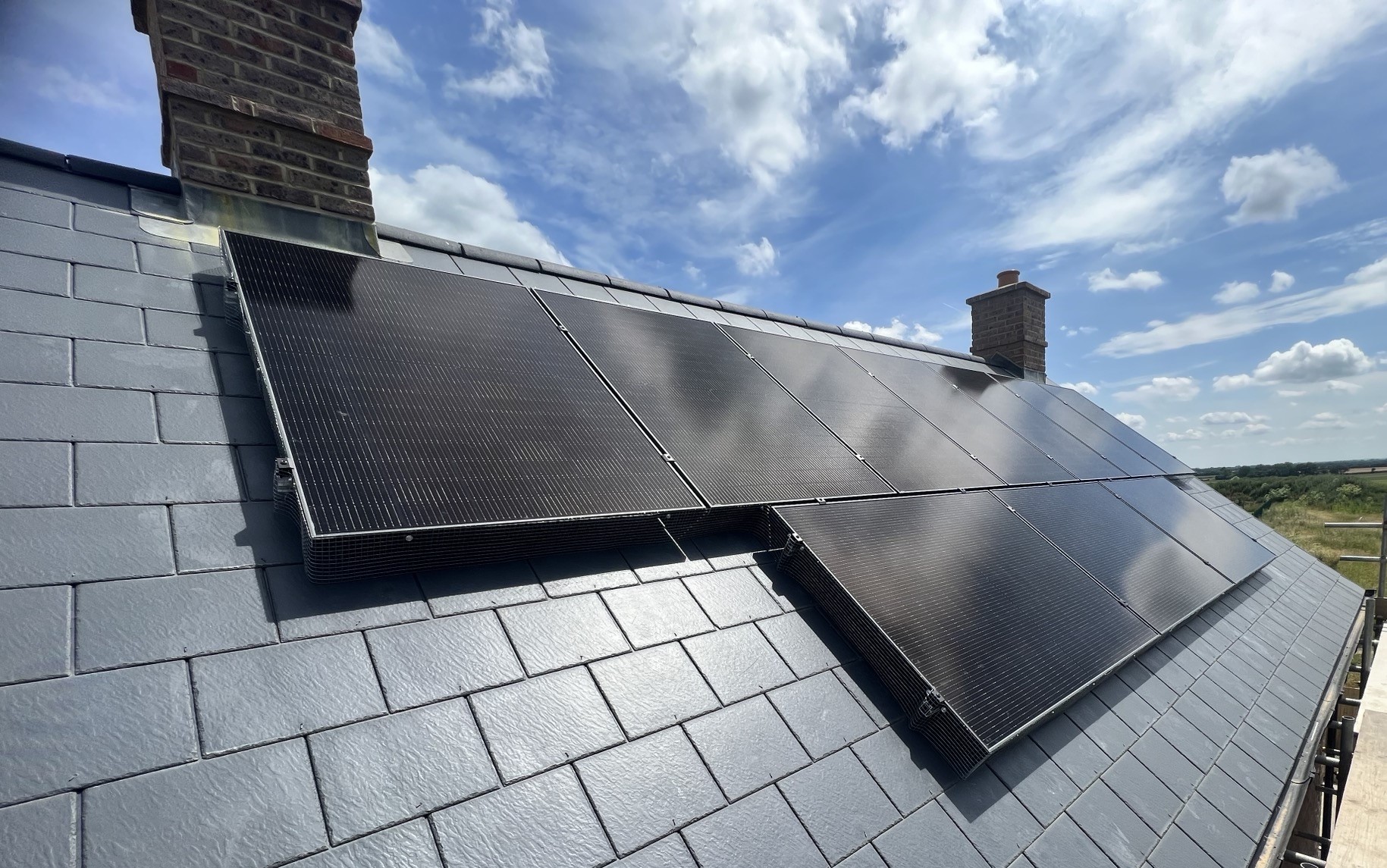
Affordable Solar for Homeowners Without Large Upfront Costs
For many homeowners across the South East, the biggest barrier to installing a solar PV system isn’t whether it works – it’s how to fund it.
The good news? Solar panel finance in the UK has evolved significantly. You no longer need to pay the full cost upfront to benefit from lower electricity bills, energy independence and long term savings.
At SolarTherm UK, we help homeowners across Essex, Kent and the wider South East understand the most cost effective way to install solar panels and battery storage – whether that’s cash purchase, finance or a hybrid approach.
Why More South East Homeowners Are Financing Solar
Energy prices remain volatile and electricity rates in the South East are among the highest in the UK. At the same time export payments under the Smart Export Guarantee are available, 0% VAT applies to residential solar installations and property buyers are increasingly valuing energy efficient homes.
Financing allows homeowners to install a system now – preventing lengthy delays while saving for a system – and potentially using the energy savings to help offset payments.
Solar Panel Finance Options for Homeowners
Below are the most common ways South East homeowners fund their solar panel installation.
Paying Upfront
If you have the capital available, purchasing your solar panel system outright delivers the strongest long term financial return.
Advantages:
- Immediate full system ownership
- No interest or finance charges
- Maximum lifetime savings
- Eligible for Smart Export Guarantee (SEG) payments
- Increases property appeal
Considerations:
- Higher upfront investment
For homeowners planning to stay long term, this is typically the most cost effective option.
Solar Panel Loans
A solar loan spreads the cost of installation across fixed monthly payments while you retain ownership of the system. This option allows you to install immediately, lock in predictable repayments, benefit from SEG export payments and avoid rising grid electricity costs.
Advantages:
- Ownership from day one
- Competitive fixed interest rates
- Manageable monthly payments
- Long repayment terms available
Considerations:
- Interest increases total payable amount
- Subject to credit approval
For many South East households, monthly repayments are often comparable to current electricity bills – particularly when combined with battery storage.
Personal Loans for Solar
Some homeowners choose to fund solar panels using a standard personal loan from their bank.
Advantages:
- Freedom to choose installer and system
- Flexible loan terms
- Often no deposit required
Considerations:
- Interest rates vary significantly
- May not be solar specific pricing
This can be a practical solution, especially if you already have access to favourable borrowing terms or are planning solar as part of a wider renovation.
Buy Now, Pay Later Solar Finance
Buy now, pay later (BNPL) options allow installation with no immediate full payment. Typically they include a short deferment period (for example 6 months), interest is accrued if not repaid within that period and long term repayment options follow.
Advantages:
- Immediate installation
- Short term cash flow flexibility
Considerations:
- Deferred interest can significantly increase total cost
- Requires careful financial planning
This can suit homeowners expecting future funds.
Adding Solar to Your Mortgage
If you’re remortgaging or purchasing a property in the South East, some lenders allow solar installation costs to be incorporated into your mortgage.
Advantages:
- Lower interest rates compared to unsecured loans
- Long repayment period
- Simplified budgeting
Considerations:
- Increases total mortgage borrowing
- Extends repayment timeline
This approach works best when planned during refinancing rather than after completion.
Government Incentives Supporting Solar Finance
Although direct solar grants are limited for most homeowners, several schemes significantly improve financial viability.
ECO4 Scheme
The Energy Company Obligation supports eligible households with energy efficiency upgrades. While not available to all homeowners, it can provide financial assistance to those on certain benefits and low income families. ECO4 is closing for new applications in March 2026.
Warm Homes Plan
2026 will see the launch of a £15 billion fund to support energy efficiency in UK homes. While full details are still to be released, it is believed that solar PV and battery storage systems will play a large role in the new government policy.
0% VAT on Residential Solar
The UK government has reduced VAT on residential solar installations to 0% until 2027. This applies to solar panels, battery storage and installation costs. This policy alone can reduce system cost by thousands of pounds.
Smart Export Guarantee (SEG)
The Smart Export Guarantee requires energy suppliers to pay for surplus electricity exported to the grid. In the South East, where solar irradiation is higher than UK averages, export payments can be earn you an additional £200-£500 per year.
What to Compare When Choosing Solar Finance
Before selecting a finance option, consider:
Interest Rate (APR)
Lower APR = lower total repayment. Even a small percentage difference significantly affects long term cost.
Loan Term
Longer term = lower monthly payment but higher total interest. Shorter term = higher monthly payment but lower total cost.
Upfront Deposit
Some plans require deposits. Consider how this impacts immediate cash flow.
Battery Storage Integration
Finance aligned with solar battery storage improves self-consumption, increasing savings and ROI.
Future Proofing
Planning for EV charging, heat pumps or future energy use can affect optimal system size and finance structure.
Is Solar Finance Worth It in the South East?
For many homeowners, yes. With higher than average electricity prices and good solar generation conditions, going solar sooner rather than later is a smart move. Export income and 0% VAT give an extra incentive to install solar. Financing solar can allow you to hedge against energy inflation while improving home efficiency. The key is system design. Oversizing or undersizing can impact returns – which is why system modelling is critical.
Why Choose SolarTherm UK?
As a local installer, SolarTherm UK designs systems specifically for your property, assessing roof orientation and shading. As we are local we work closely with your DNO, allowing us to design a system that will pass DNO approval quickly and smoothly, preventing delays. Our analysis of household consumption, annual usage and lifestyle patterns allow us to design a system that is optimised for maximum returns, planning for battery storage and EV charging where required.
At SolarTherm UK, our performance and returns estimates are verified by EPVS (Energy Performance Verification Scheme) for accuracy, meaning our quotes are not over inflated, but rather realistic, data based predictions.
Ready to Explore Solar Finance?
If you’re considering solar panels in the South East and want to understand the most cost-effective way to fund your system, speak to SolarTherm UK. Contact us today for a free, no obligation quote and design, tailored to your property, usage and future energy needs. No hard sell, just honest, expert advice – and the time you need to make an informed decision.
Your roof can generate power. The right finance plan makes it achievable.
Your home. Your energy. Your future.
FAQs
What solar finance options are available?
You can choose from cash purchase, solar loans, personal loans, BNPL options, or mortgage integration.
Can I still benefit from SEG payments if I finance?
Yes — as long as you own the system, you remain eligible for Smart Export Guarantee payments.
Does financing affect resale value?
Owned systems typically enhance buyer appeal. Lease agreements can complicate sales.
Is solar battery storage worth financing?
In most South East households, battery storage significantly improves savings by increasing self-consumption.