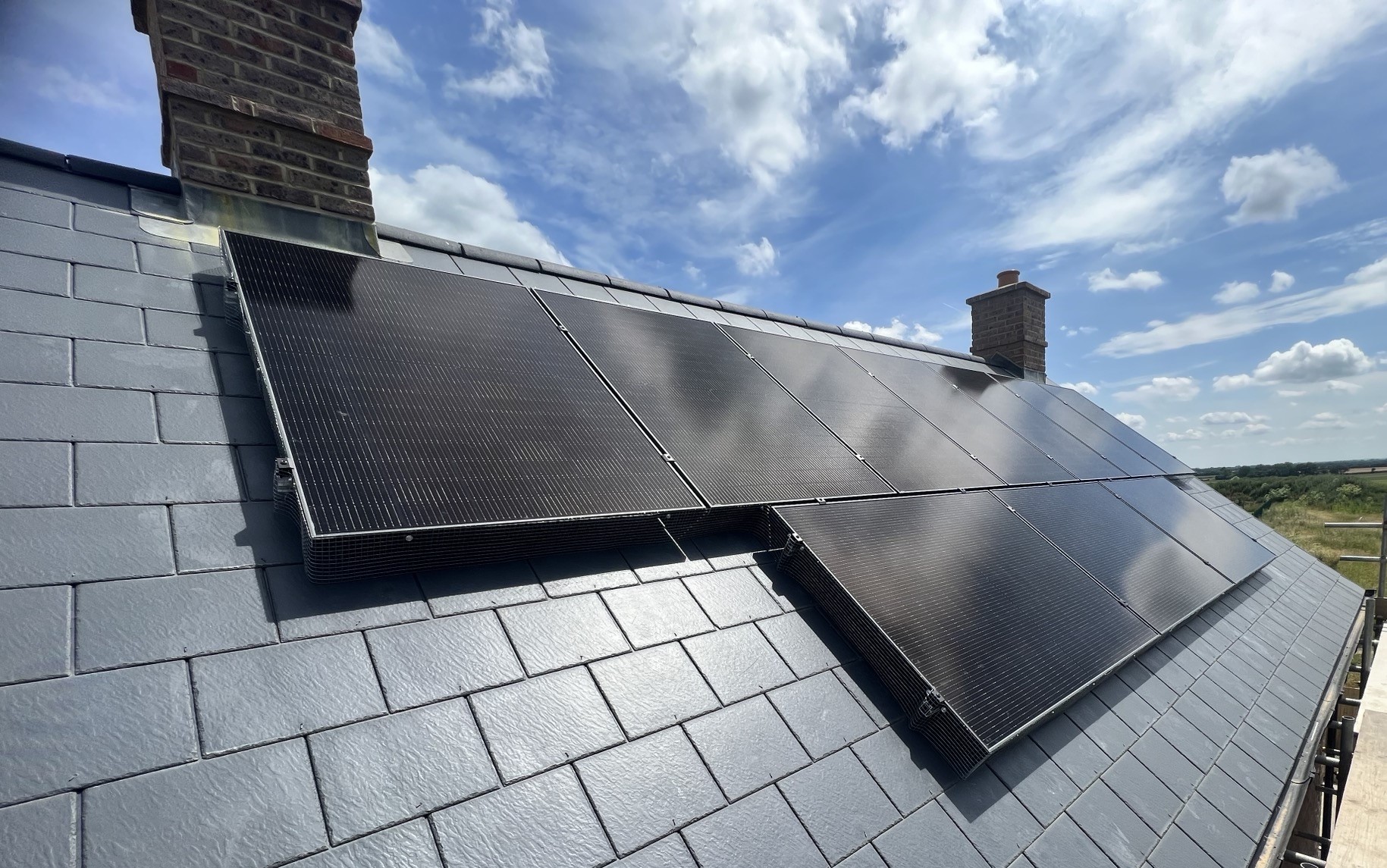
With energy prices remaining unpredictable and more homeowners prioritising long term savings, 2026 is shaping up to be a pivotal year for renewable energy. If you’re based in the South East, you may be wondering whether now is the right time to invest in a solar PV system.
At SolarTherm UK we’ve seen a significant rise in enquiries across Essex, Kent and the wider South East – and for good reason. In this guide, we break down the key benefits of installing solar panels in 2026 and whether this year represents the optimal window for your investment.
Why 2026 Is a Strong Year for Solar in the South East
The South East is one of the best performing regions in the UK for solar generation due to higher than average sunshine hours. The South East receives more sunshine hours than northern regions, making it particularly suitable for solar energy. The dense residential housing makes roof mounted solar PV a practical solution to rising energy prices.
The South East is showing an increasing demand for energy efficient homes, leading to strong property value growth, with some studies suggesting an energy efficient home can sell for up to 14% more than a comparable non-solar home.
This combination makes 2026 particularly attractive for homeowners looking to future proof their property.
The Financial Benefits of Installing Solar Panels
Rising Electricity Costs
Electricity prices remain volatile. Installing a solar PV system allows you to generate your own electricity, reducing reliance on grid imports and insulating your household from price hikes. For many homes in the South East, solar panels can reduce electricity bills by up to 80%, depending on system size and consumption patterns.
Smart Export Guarantee (SEG)
The Smart Export Guarantee allows homeowners to receive payments for surplus electricity exported to the grid. When paired with a well sized solar PV system, this improves overall return on investment.
VAT Savings Remain in Place
The 0% VAT rate on residential solar panels and solar battery storage continues to make 2026 financially attractive. This significantly reduces upfront installation costs compared to previous years. The 0% VAT rate ends in 2027, so book your installation now to make sure you don’t miss out.
Why Adding Solar Battery Storage Makes 2026 Even Smarter
A solar battery storage system allows you to store unused electricity generated during the day and use it in the evening when energy demand is higher.
Key Benefits of Battery Storage:
- Maximise self-consumption
- Reduce grid reliance
- Protection from peak tariffs
- Backup power (depending on system design)
- Greater long term savings
In 2026, battery storage technology is more efficient, compact and affordable than ever. Many homeowners in the South East are now choosing battery storage as part of their initial installation rather than retrofitting later.
Environmental Benefits: Why Now Matters
Beyond financial returns, the environmental benefits are significant. A typical residential solar PV system can reduce carbon emissions by approximately 1-2 tonnes per year. With the UK’s ongoing commitment to Net Zero targets, switching to renewable energy in 2026 contributes directly to reducing national carbon output.
For environmentally conscious homeowners in the South East, solar panels offer a practical and measurable way to lower your household carbon footprint.
Property Value and Market Demand in the South East
Energy efficient homes are increasingly attractive to buyers. Properties with installed solar panels and battery storage systems often benefit from improved EPC ratings, lower running costs and greater appeal to environmentally conscious buyers.
With property prices in the South East remaining strong, investing in a solar PV system in 2026 can enhance both liveability and resale value.
Is There Any Reason to Wait?
The main factor that discourages some homeowners is the upfront cost of solar. However, installation costs are stable, and have reduced by over 80% in the last decade. Solar technology is mature, tested and reliable and efficiency improves slower now than it did when solar technology first emerged. SEG payments are still favourable and the 0% VAT rate is only in place until April 2027.
While electricity prices are expected to slightly decrease in April 2026, by the end of the year they are predicted to rise again. New tariffs and changes to the daily standing charge are going in solar owners favour.
Delaying installation means continuing to pay higher electricity bills without generating your own power. From a return on investment perspective, the earlier you install, the sooner you being saving.
Who Should Consider Going Solar in 2026?
Your property is an ideal candidate for solar if you live in the South East, have a south- or east- and west- facing roof and pay high electricity bills. At SolarTherm UK, we believe anyone who pays £70 or more on their electricity bill each month can benefit from a solar installation and battery storage. Even homes without the perfect roof orientation can benefit with clever system design.
Final Thoughts: Is 2026 the Right Year to Go Solar?
For homeowners in the South East, 2026 represents a strong opportunity to invest in solar panels and battery storage. With stable installation costs, government incentives still in place, improved battery storage technology and ongoing energy price uncertainty, the financial and environmental benefits are clear.
The question is less “Is 2026 the right year?” and more “How much longer do you want to wait before reducing your bills?”
Thinking About Installing a Solar PV System in the South East?
Contact SolarTherm UK today for a free, no obligation quote and design, tailored to your property, usage and future energy needs. No hard sell, just honest, expert advice – and the time you need to make an informed decision.
Your home. Your energy. Your future.