One of the most frequently asked questions about solar panels is:
“How long does it take for solar panels to pay for themselves?”
For most South East homeowners, the typical solar panel payback is between 6 and 10 years. However, the exact return on investment (ROI) depends on the size of your system, your electricity use profile, battery storage, export rates and installation quality.
This guide explains how solar ROI works, what affects payback time and how to calculate the financial return on a solar PV system.
What Does “Solar Payback Period” Mean?
The solar payback period is the time it takes for the savings and earnings from your solar system to equal the initial installation cost. It combines savings on bills, payments through the Smart Export Guarantee (SEG) and reduced exposure to rising energy prices. Once your system has paid for itself, the electricity it produces is effectively free, aside from minimal maintenance and system testing costs.
Average Solar Panel Payback in the South East
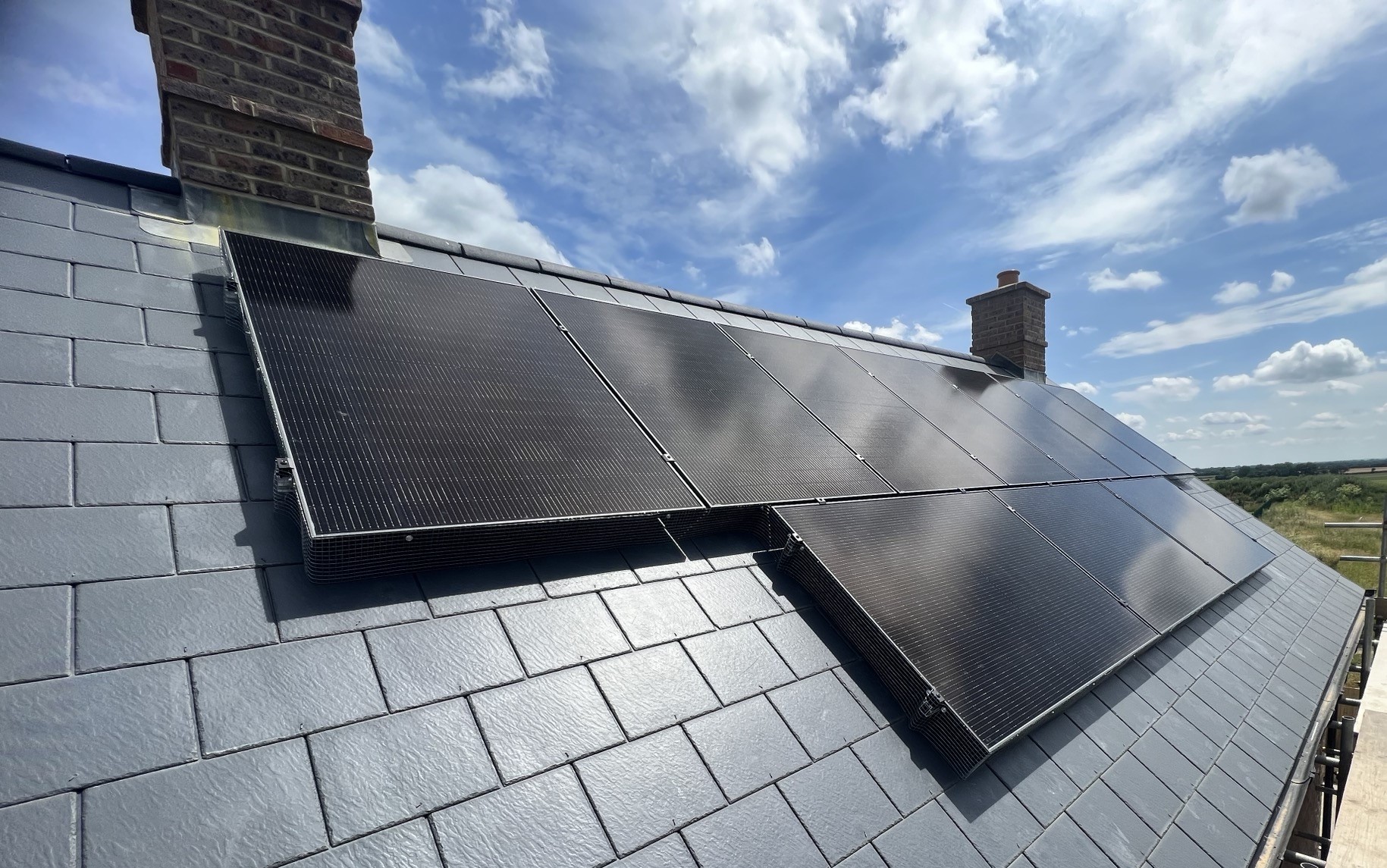
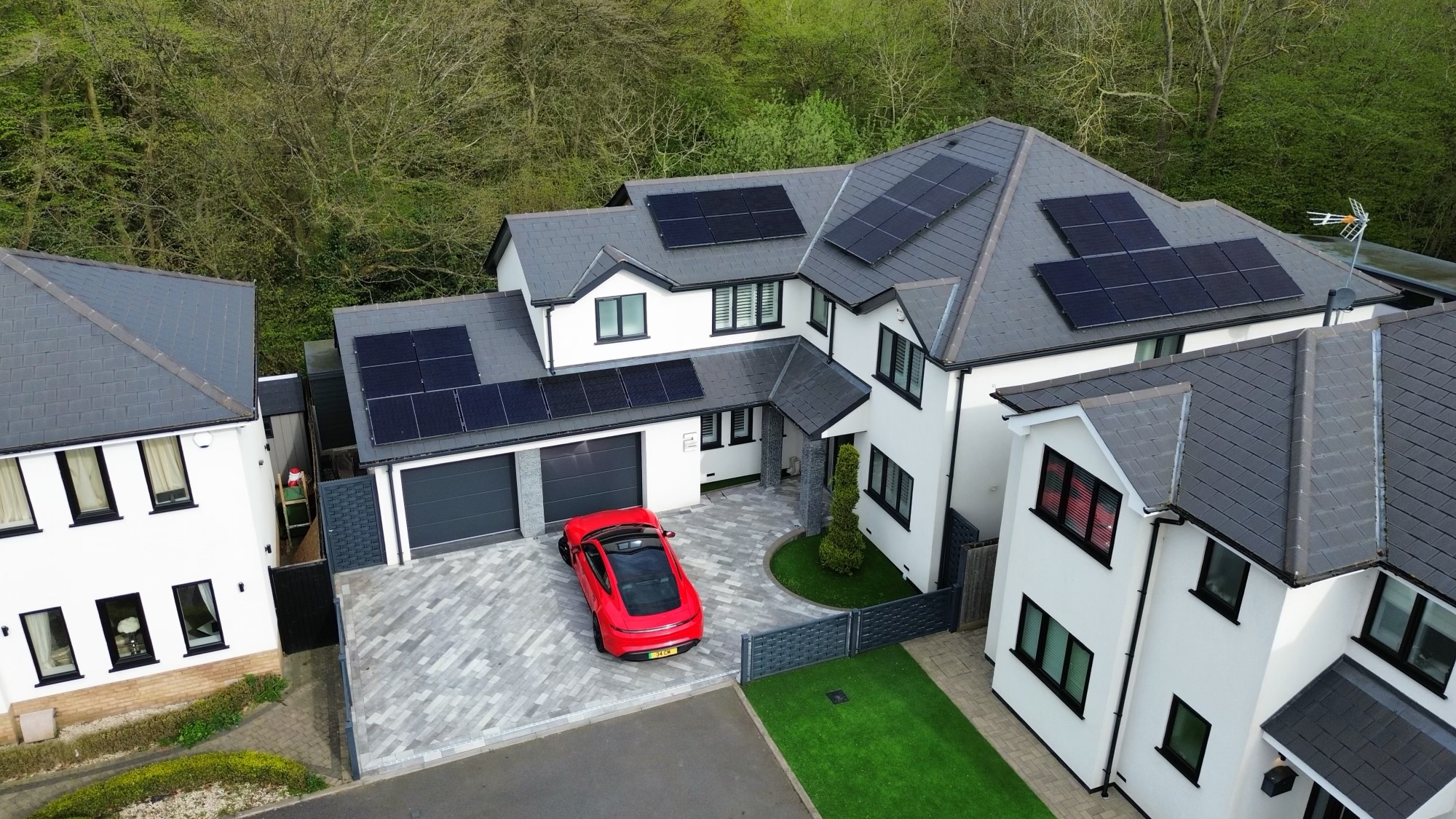
For a typical 3-4 bedroom home in the South East a 4-5kW system would be installed. This would consist of 8-14 solar panels and a 3.5-6 kW solar inverter. Installation cost is £5,500-£8,500 and the system would see an estimated £800-£1,200 in savings on electricity bills every year. An additional £100-£300 per year can be earned through the SEG, depending on export levels.
The estimated payback period for this system is 6-10 years and because modern solar panels typically last a minimum of 30 years, with most going on to generate electricity efficiently for 40 years or more, most homeowners benefit from 20-25 years of net financial gain after payback.
How Solar Panels Generate ROI
Electricity Bill Savings
Solar panels reduce the amount of electricity you need to purchase from your supplier. With electricity prices significantly higher than pre-2021 averages, self-generating power provides strong protection against grid volatility. The more of your own self-generated power you use, the less you buy from the grid and the faster your system pays for itself.
Smart Export Guarantee (SEG)
Under the Ofgem regulated Smart Export Guarantee, energy suppliers pay homeowners for surplus electricity exported to the grid. Export rates vary from supplier to supplier but typically range from 4p to 30p per kWh depending on the tariff structure. Pairing solar panels with battery storage increases self-consumption, which usually improves overall ROI more than exporting at lower SEG rates.
Protection Against Rising Energy Costs
Energy inflation has significantly impacted UK households in recent years. Solar acts as a buffer against future price rises. The higher grid electricity prices climb, the shorter your effective payback period becomes.
Property Value Impact
Studies suggest that homes with high energy efficiency ratings and renewable energy systems are more attractive to buyers. As people look for ways to reduce the cost of living, renewable energy is becoming increasingly attractive. Solar installations can improve your EPC rating, potentially increasing reseal appeal and reducing time on the market.
What Affects Solar Payback Time?
Several variables influence how quickly solar pays for itself:
Roof Orientation and Shading
South facing roofs generate the highest yield, but east/west systems can still deliver a strong ROI. Roofs with little to no shading are most effective, but light shading can be overcome with power optimisers or microinverters.
System Size
A correctly sized system maximises self-consumption without excessive export. At SolarTherm UK, your system is tailored to your property, usage and future energy needs.
Battery Storage
Battery systems increase self-consumption, further reducing grid imports, resulting in improved financial returns for many households.
Electricity Usage Patterns
Homeowners working from home or using EV chargers during the day typically see faster payback.
Solar ROI Example Calculation
Example: 4.5kW system in Essex
- System cost: £7,500
- Annual generation: 4,000 kWh
- Self-cunsumed: 65%
- Electricity cost avoided: 28p/kWh
- SEG export rate: 12p/kWh
Estimated annual financial benefit: ~£1,050
Estimated payback period: just over 7 years
After 25 years, total lifetime savings could exceed £18,000-£25,000 depending on energy price trends.
Is a 6-10 Year Payback Good?
From an investment perspective, average UK savings account returns are 3-5%, solar ROI often equates to 8-15% effective annual return. Returns are tax-free for domestic properties. Few home improvements deliver comparable long term financial performance while also reducing carbon emissions.
Do Solar Panel Always Pay for Themselves?
In the vast majority of South East residential installations solar panels will pay for themselves, provided the system is correctly designed, installed by MCS accredited installers and supported by the right export and import tariffs.
Poor system design, shading or low self-consumption can extend payback beyond 10 years – which is why professional assessment is essential.
How to Shorten Your Solar Payback Period
- Install a battery to increase self-consumption
- Use smart tariffs where appropriate
- Run high energy appliances during the day while your solar panels are generating electricity
- Ensure your installer is MCS certified
- Choose high efficiency panels
Final Verdict: How Long Until Solar Pays for Itself?
For most South East households solar panels typically pay for themselves within 6-10 years. Given rising energy prices, government backed export schemes and long panel lifespans, solar remains one of the strongest long term home energy investments available.
To find out how much you could save with solar panels and battery storage check out our Solar Calculator.
Smart solar starts with the right advice.
FAQs
How long do solar panels last in the UK?
Most solar panels carry 25-year performance warranties and can continue producing electricity for 30+ years.
Is solar worth it without a battery?
Yes. However, batteries can significantly improve ROI depending on usage patterns.
Does solar still work in winter?
Yes — generation reduces but continues year-round.
What happens after solar panels pay for themselves?
You benefit from effectively free electricity for the remainder of the system’s lifespan.