If you’re researching solar panels in the UK, you’ll often see two main types mentioned: photovoltaic (PV) and solar thermal.
Both use energy from the sun – but they serve completely different purposes. Understanding the difference is essential when deciding what system is right for your property in the South East.
What Is Photovoltaic (PV) Solar?
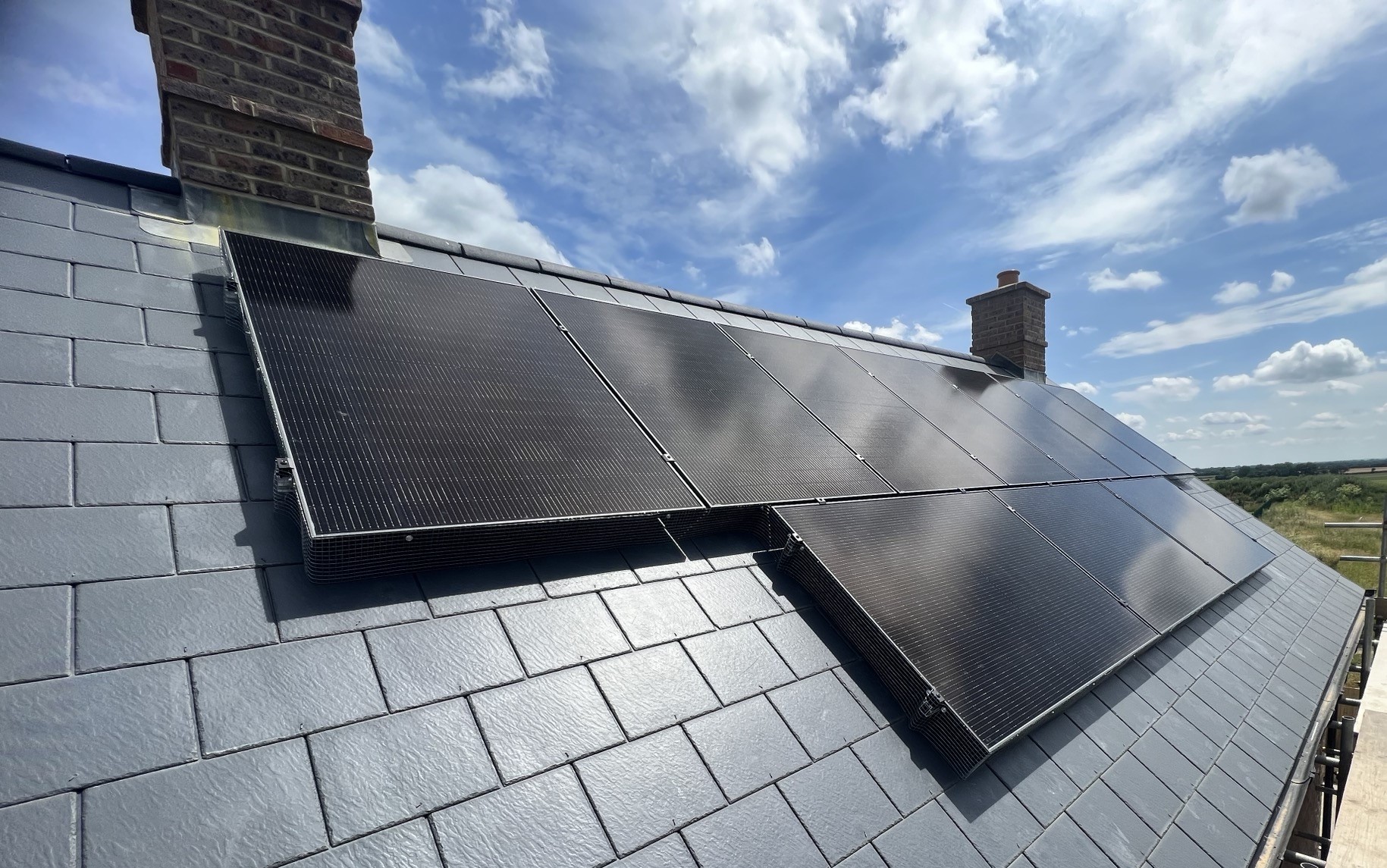
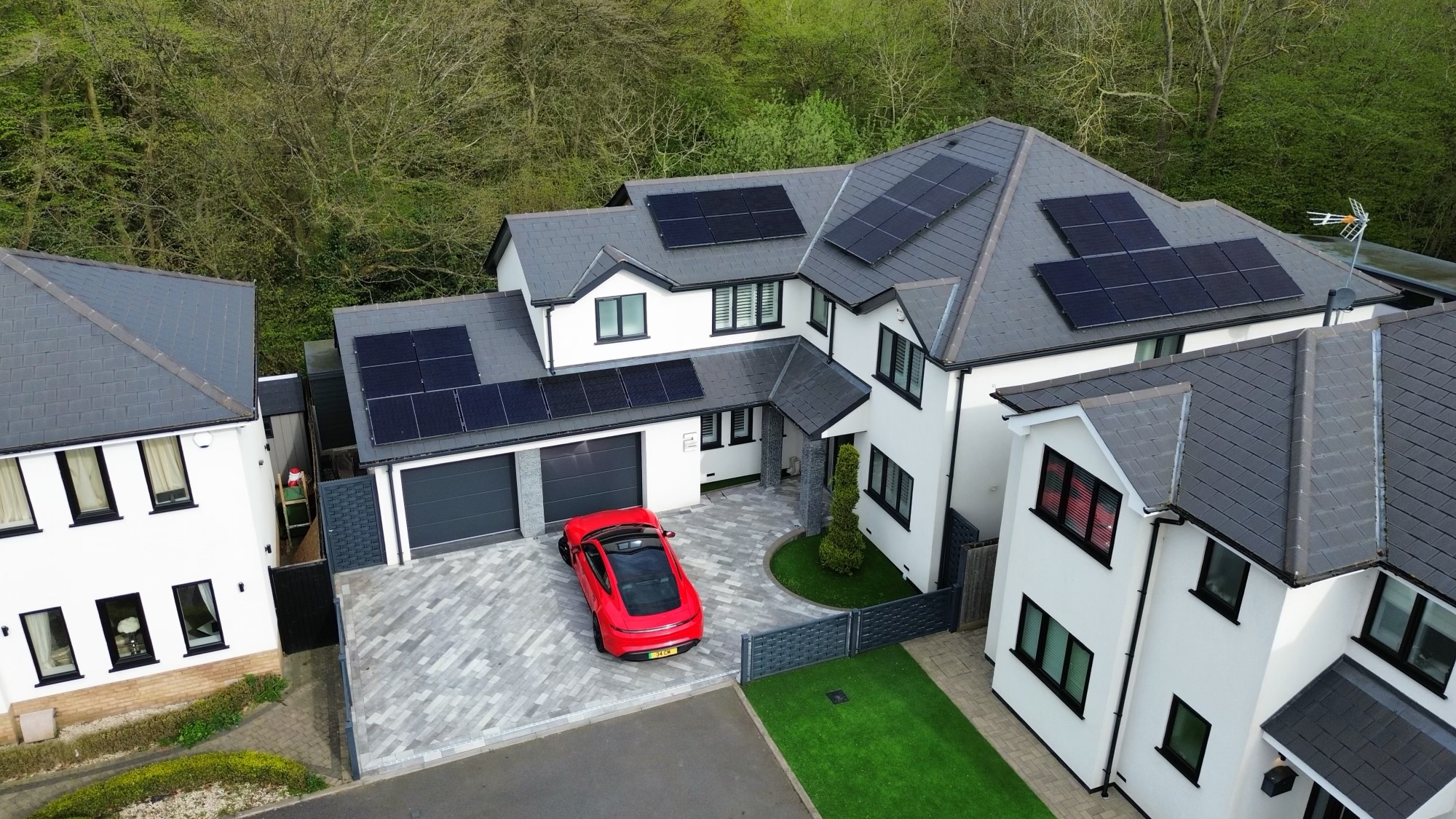
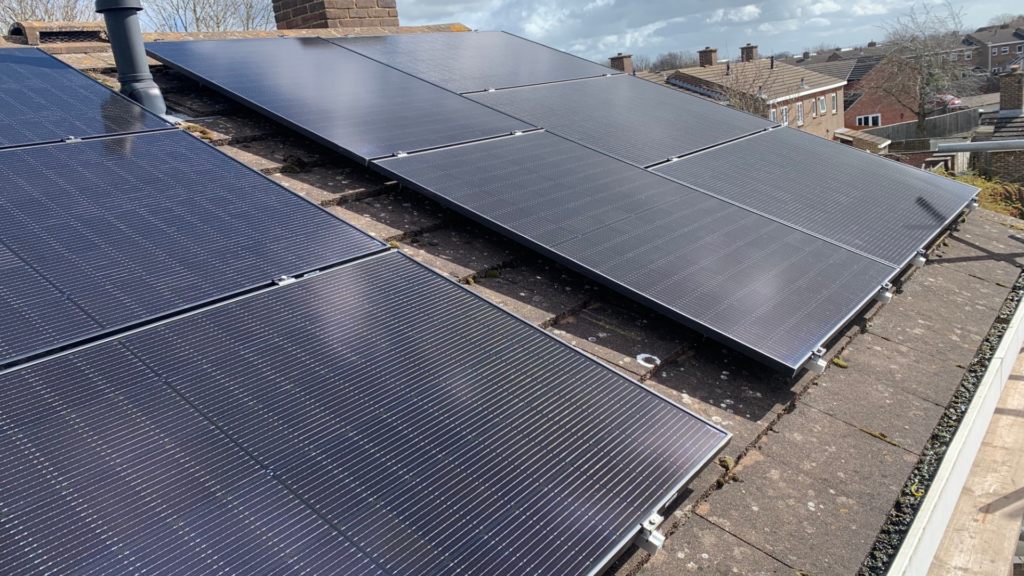
Photovoltaic (PV) panels generate electricity. They use semiconductor cells – usually made out of silicon – to convert sunlight into direct current (DC) electricity, which is then converted by a solar inverter into alternating current (AC) electricity for use in your home.
Solar PV is used to power appliances, running lighting and electronics and charging EVs. Surplus generated electricity not being used in your home can either be stored in a solar battery or exported to the grid for payment under the Smart Export Guarantee (SEG).
Key Features of Solar PV
- Generates usable electricity
- Works year round (even on typically cloudy UK days)
- Can integrate with battery storage
- Eligible for the Smart Export Guarantee
- Reduces electricity bills by up to 80%
Solar PV is best for homeowners looking to cut electricity bills and increase energy independence.
What Is Solar Thermal?
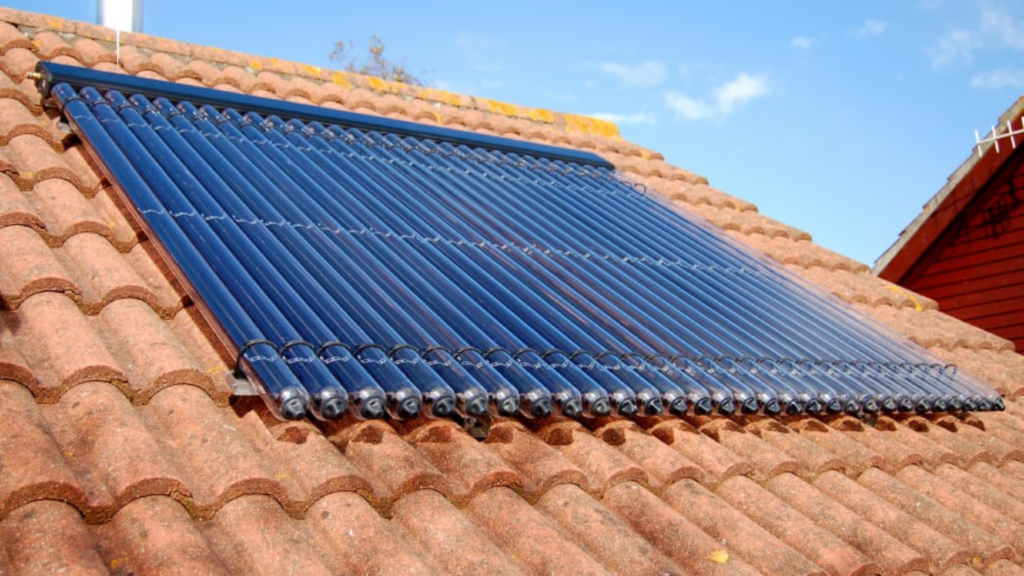
Solar thermal panels produce heat – not electricity. They absorb sunlight to heat a fluid, which then transfers that heat into your hot water cylinder via a coil system. Solar thermal is used for domestic hot water and supporting central heating.
Key Features of Solar Thermal
- Specifically designed to heat water
- Most effective during sunnier months
- Requires a compatible hot water cylinder
- Lower installation cost than full PV systems
- Does not generate electricity
Solar thermal is best for households with high hot water demand but lower electricity demand.
Quick Comparison: PV vs Solar Thermal
| Feature | Photovoltaic (PV) | Solar Thermal |
| Produces electricity? | ✅ Yes | ❌ No |
| Produces hot water? | Indirectly (via immersion diverter) | ✅ Yes |
| Works in winter? | ✅ Yes | Limited |
| Works with battery storage? | ✅ Yes | ❌ No |
| Powers appliances? | ✅ Yes | ❌ No |
| Eligible for SEG payments? | ✅ Yes | ❌ No |
Which Is Better for South East Homes?
For most homeowners in the South East, solar PV offers greater flexibility and long term financial return. Electricity prices have risen significantly in recent years, making PV systems – particularly when paired with battery storage – far more versatile than solar thermal alone.
Solar thermal still has its place, but it’s become less common as PV panel costs have reduced and battery storage technology has improved. Electric immersion diverters allow PV systems to heat water using surplus generated electricity.
Why Solar PV Is Now the Preferred Option in the UK
With advancements in:
- Battery storage
- EV charging integration
- Smart energy management
- Export payments through SEG
Solar PV systems have become the dominant residential solar solution.
At SolarTherm UK, we specialise in high quality solar PV and battery storage solutions across the South East, helping homeowners reduce reliance on the grid, save money on their electricity bills and future proof their properties.
Final Thoughts
Solar PV is for electricity.
Solar thermal is for heating water.
Most UK homeowners now choose PV due to flexibility and financial return. If you’re unsure which system suits your home, a professional solar assessment is the best next step.
To find our how much solar PV can save you, try our Solar Calculator.
Smart solar starts with the right advice.