If you’re researching solar panels in the UK, one question you may have is:
“Do solar panels work in cloudy or overcast weather?”
The short answer is yes – modern solar panels absolutely generate electricity in cloudy UK weather. While output is reduced compared to bright sunshine, modern photovoltaic (PV) systems are designed to produce energy from diffused daylight, not just direct sunlight.
For South East homeowners considering solar, understanding the science behind this can help you make a confident investment decision.
How Solar Panels Generate Electricity (Even Without Direct Sun)
Solar panels use photovoltaic (PV) cells made from semiconductor materials – typically silicon. When daylight hits the surface of the panel, photons excite electrons inside the cells, creating an electric current.
Importantly, solar panels respond to light, not heat, they generate power from direct sunlight and diffused light, still working hard on overcast, grey and winter days. Even on cloudy days, daylight passes through the cloud layer and reaches your roof as scattered (diffuse) solar radiation. Modern solar panels are engineered to convert this lower intensity light into usable electricity.
How Much Do Solar Panels Produce on Cloudy Days?
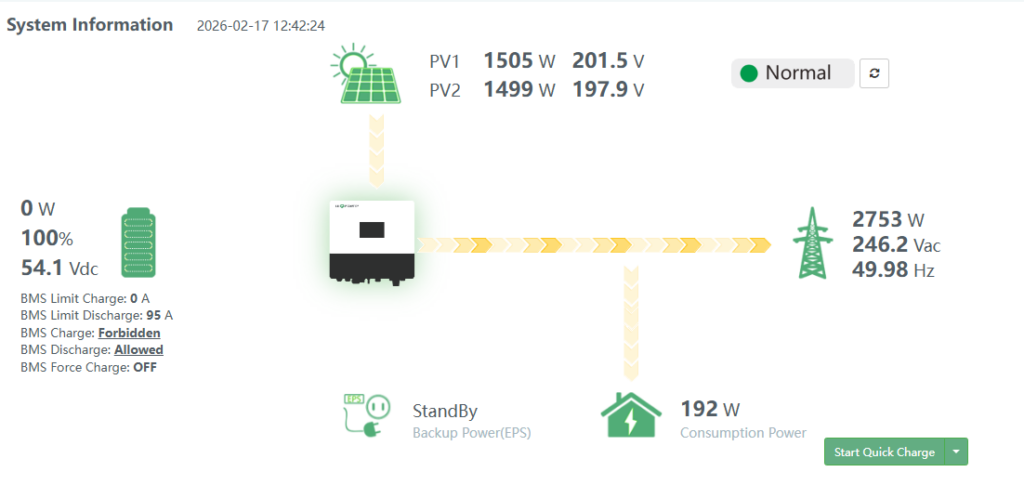
In typical UK conditions, bright sunny days panels operate at approximately 90-100% capacity. On cloudy or overcast days the output may drop to 10-50% of peak capacity, but light cloud days, production is often surprisingly strong.
Over the course of a year, South East solar PV systems generate most of their electricity between March and September, but they continue producing energy year round – including during winter months.
When calculating annual yield, a professional, experienced installer will use realistic UK irradiance data to ensure accurate performance estimates.
Do Solar Panels Work in the UK Climate?
Yes – the South East is well suited to solar PV. The UK receives around 900-1,200 solar radiation per square meter per year, depending on location. The South East benefits from some of the highest solar yields in the country. As solar panels perform more efficiently in cooler temperatures – they actually lose efficiency in extreme heat – the UK’s moderate climate can be advantageous.
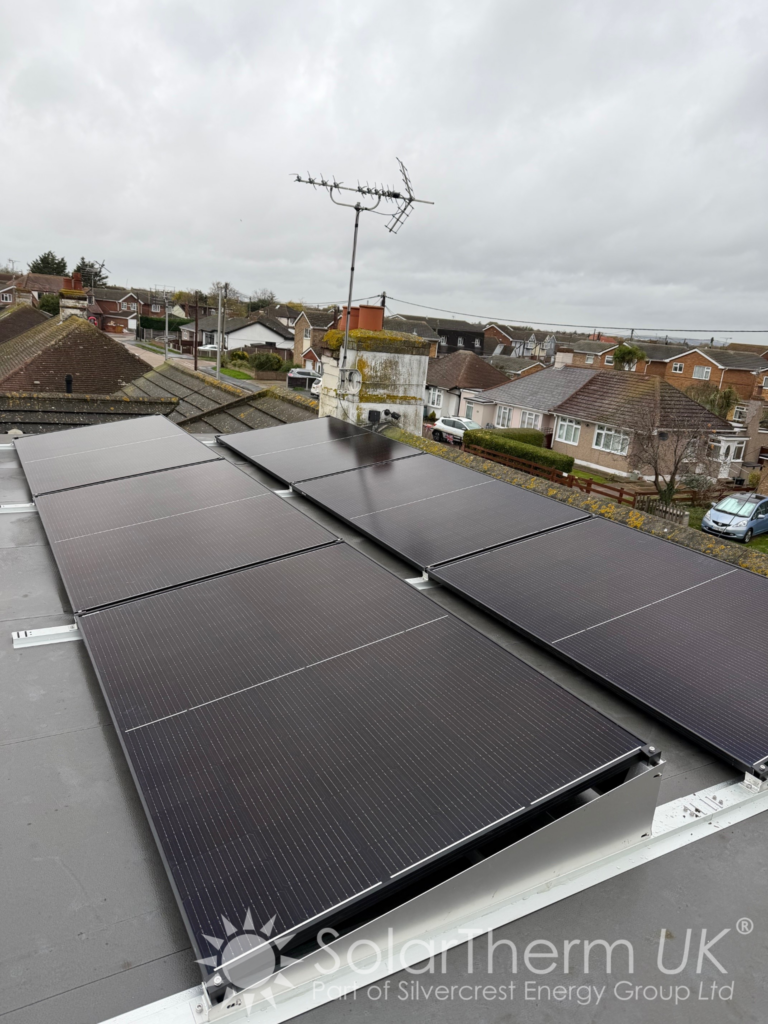
Why Solar Still Makes Financial Sense in the South East
Even with cloudy weather:
- You reduce electricity imported from the grid
- You benefit from rising energy price protection
- You can export surplus power via the Smart Export Guarantee (SEG)
- You increase your home’s EPC rating and potentially property value
Most South East homeowners see payback periods typically between 6 and 10 years, depending on system size, battery storage and usage patterns.
Cloudy weather does not prevent a system from achieving strong annual returns – it simply changes daily production patterns.
What Improves Solar Performance in Cloudy Conditions?
If you’re concerned about maximising output in the UK climate, consider:
High Efficiency Panels
Premium panels perform better in low light conditions.
Microinverters or Optimisers
These reduce the impact of shading and uneven light levels.
Battery Storage
Stores excess daytime energy for evening use – improving self-consumption.
Correct Roof Orientation
South-facing roofs are optimal, but east-west systems can perform very well in the South East.
A properly designed system takes South East weather patterns into account from the outset.
The Bottom Line: Yes, Solar Works in Cloudy South East Weather
Solar panels are designed for daylight conditions – not just bright sunshine. Even in the South East’s often overcast climate, a professionally installed system can generate significant annual savings and long term returns.
If you want to find out how much you could save with a solar PV and battery storage system try our Solar Calculator.
Smart solar starts with the right advice.
FAQs
Do solar panels work when it’s raining?
Yes. Rain reduces light intensity but does not stop generation. In fact, rain can help clean panels, improving performance afterward.
Do solar panels work in winter in the UK?
Yes. Output is lower due to shorter daylight hours, but systems continue generating electricity throughout winter.
Do solar panels need direct sunlight?
No. They generate electricity from daylight, including diffused light through clouds.
Are solar panels worth it in the UK climate?
For most households, yes — especially with rising energy prices and export payments under the SEG scheme.