The Christmas period often brings a welcome pause form the fast pace of everyday life, allowing you to reflect on the past year and plan for the year ahead. With work on hold, family settles and time finally available, many homeowners find this the perfect window to consider major home improvements. If a solar upgrade is on your agenda for 2026, the festive break provides the ideal opportunity to evaluate your property, review your energy usage and understand what you truly need from a modern solar and battery system.
Use the Downtime to Assess Your Roof’s Suitability
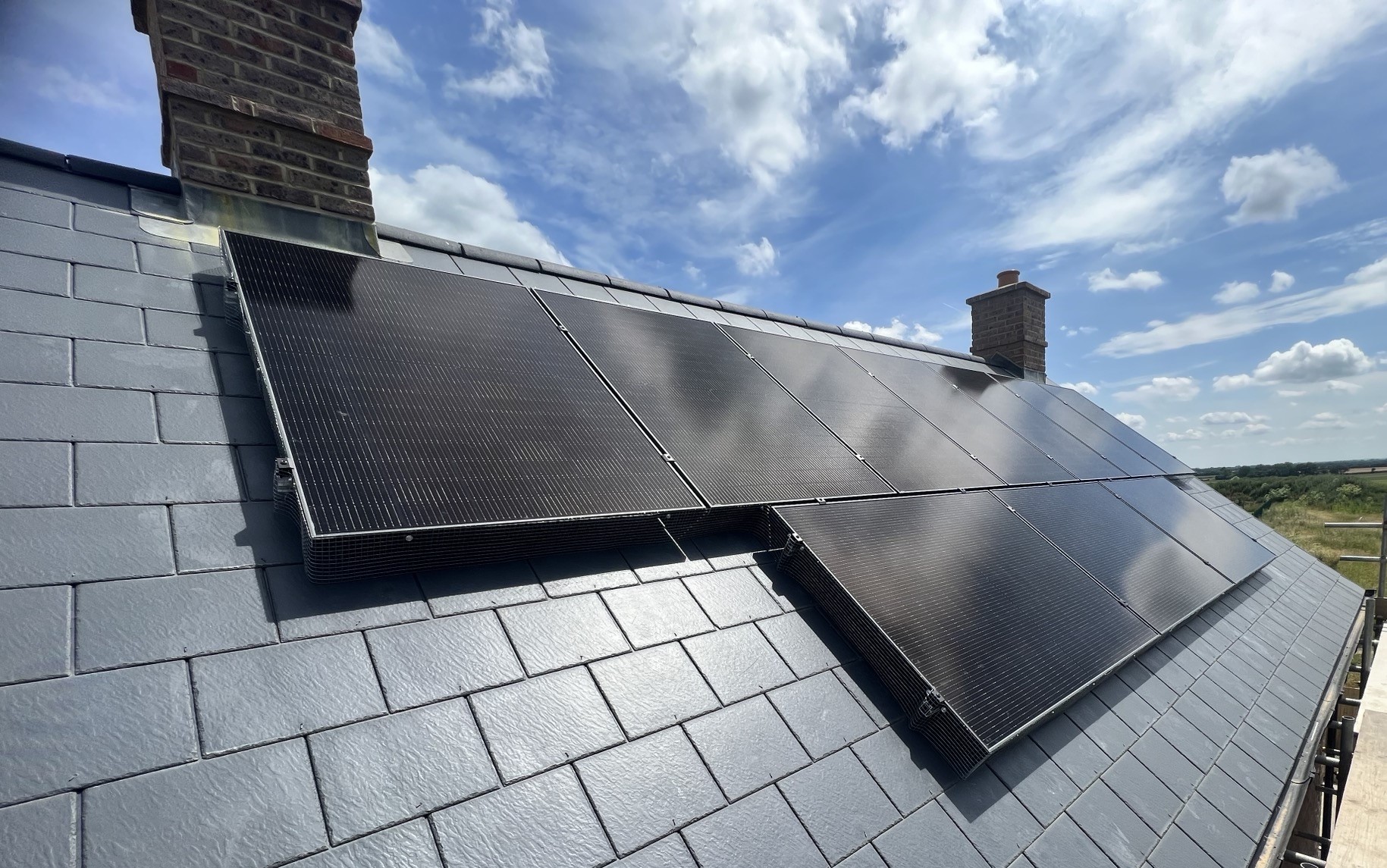
Before any solar installation, it is crucial to understand whether your roof can provide the right environment for efficient energy generation. While you are at home over the holidays, take the time to complete a few practical checks:
Orientation and Pitch
South facing roofs typically provide the highest yield in the UK, but east- and west-facing roofs can still perform strongly with clever planning and strategic design. Make note of the direction and angle of your roof as this will help installers model accurate system outputs.
Shading Issues
Winter sun may be lower, but it is still a useful indicator of shading patterns. Observe whether trees, chimneys or neighbouring buildings cast shadows over your roof. Persistent shading can influence both panel placement and inverter selection.
Roof Condition
If your tiles are aged or repairs are overdue, it is best to resolve these issues before installation (but timing your roof repairs with a solar installation will save on paying scaffolding costs twice). The Christmas break is a practical time to inspect for cracked tiles, loose ridges or areas of wear and tear. A sound rood ensures a smooth installation and protects the long term performance of your system. Modern solar panels can perform efficiently for up to 40 years, so it is practical to make sure your roof will not need repairing during this time.
Review Your Energy Bills to Understand Your Consumption
Most homeowners glance at their electricity bill throughout the year, pay it and move on. The holiday break offers the time to examine your usage patterns more closely and see how your home uses power. Understanding your energy consumption will help define the right solar system size for your home.
Review the following:
Annual kWh Usage
Look at your yearly consumption, typically listed on your energy statements. Higher usage often translates to a greater benefit from a larger solar array or solar battery storage.
Peak Usage Times
Identify when you are using the most electricity. Do you have electric heating running at certain hours? Does your household peak in the evenings? This information is especially useful for deciding if battery storage is worth it.
Tariff Structure
Whether you are on a fixed tariff, Economy 7 or considering a smart tariff in future, your plan will influence how a solar and battery setup can maximise your savings.
Determine Whether Battery Storage Should Be Part of Your 2026 Plan
Solar panels alone can significantly reduce your electricity bills, but pairing them with solar battery storage can save you even more. During the break, evaluate your lifestyle and energy habits to determine if a battery suits your needs.
Consider the following:
Evening and Overnight Usage
If you use more energy during the evening after sunset, the solar battery storage enables you to store your solar power generated throughout the day for use when you need it. This increases your energy independence and reduces your electricity bills further.
Protection From Rising Energy Costs
A battery allows you to optimise your system value through load shifting, especially if you move to a time of use tariff in 2026. Charging your solar battery during low rate periods and using the stored energy during peak prices becomes a strategic advantage for solar owners.
Future Proofing Your Home
If you are planning to upgrade to a heat pump or electric car in the future, battery storage will prepare your home for the increase in energy consumption, supporting the increase in demand and stabilising your energy system.
Why Planning Now Sets You Up for a Strong Start to 2026
Demand for solar installations typically rise at the start of a year as homeowners act on resolutions to reduce energy spend and improve sustainability. By using the Christmas break to evaluate your property and energy behaviour, you will be ready to secure installation dates early, ensuring your system is operational in time for a brighter spring and summer.
The 2026 solar landscape is expected to be even more competitive, with technological advancements, rising energy prices and increasing awareness driving adoption. Planning now positions you ahead of the curve.
Ready to Start Your Solar Journey?
If you would like help interpreting your roof assessment, energy usage, or battery requirements, SolarTherm UK can provide expert guidance. Let the festive downtime work in your favour and set the foundation for a more efficient, cost effective 2026.
Contact SolarTherm UK today for a free, no obligation quote and design, tailored to your property, usage and future energy needs. No hard sell, just honest, expert advice.
Your home. Your energy. Your future.