A Complete Guide for UK Homeowners
When researching solar panels for your home, most of the attention naturally goes to the panels themselves. However, one of the most important components in any solar PV system is the solar inverter. Without it, your solar panels would be unable to power your home or reduce your electricity bills.
This guide explains, in clear and practical terms, what a solar inverter does, the different types available in the UK and how to choose the right one for your property.
What Is a Solar Inverter?
A solar inverter is the device that converts the electricity generated by your solar panels into a form your home can use. Solar panels generate DC (direct current) electricity, your home uses AC (alternating current) electricity. The inverter converts DC into AC so your appliances can run safely and efficiently. In simple terms, the inverter is the bridge between your solar panels and your home’s electrical system.
Why Is a Solar Inverter So Important?
Even though solar panels do the job of generating electricity, the inverter is responsible for making solar energy usable in your home. It manages the electrical flow of power to your appliances, making sure power goes to where it’s needed the most without overloading the system. Your inverter will ensure the safety of your solar PV system by automatically shutting down the system if a fault occurs or if there is a grid failure.
A high quality inverter ensures your system is operating efficiently, safely and reliably over its lifespan, powering your home when its needed and diverting power to your battery if you have one or exporting it back to the grid if not. Modern inverters usually come with a monitoring app or online platform where you can see the power generated by your panels in real time, allowing you to optimise your usage.
How Does a Solar Inverter Work?
The process works as follows:
- Sunlight hits the solar panels, generating DC electricity
- DC electricity flows into the inverter
- The inverter converts DC to AC electricity
- AC electricity powers your home first
- Any unused electricity is either exported to the National Grid or stored in a battery
Modern inverters perform this conversion thousands of times per second, maintaining stable voltage and frequency that meet UK grid standards.
Types of Solar Inverters in the UK
There is no single “best” inverter for every home. The right choice depends on your roof layout, shading, budget and future plans.
String Inverters (Most Common)
A string inverter connects multiple solar panels together in a string. They are cost effective, reliable and proven technology. Unfortunately, string inverters are only suitable for roofs with consistent sunlight that don’t experience shading, shading on one panel can affect the output of the whole string, reducing efficiency. In most cases however, string inverters remain a popular choice for UK homes with simple, unshaded roof layouts.
Microinverters
A microinverter is installed on each panel, allowing panels to operate independently from one another, overcoming issues with partial shading and multiple orientations. Microinverters are more expensive than a traditional string inverter and can add a considerable amount to your upfront costs.
An alternative to microinverters with similar advantages is SolarEdge power optimisers. These allow each panel to work independently, while still being connected to a single inverter, reducing the costs that microinverters would bring, but allowing for shading or multiple orientations.
Hybrid Inverters (Battery Ready)
A hybrid inverter can manage both solar panels and your battery storage. If you are installing battery storage alongside your solar PV panels or plan to add battery storage in the future, a hybrid inverter works to manage both your self-generated power and the power you are storing in your battery. Hybrid inverters are crucial for efficient energy management in a home that is trying to reduce reliance on the grid. While the upfront cost is marginally higher than a standard string inverter, it is cheaper in the long term if you plan on adding battery storage in the future.
What About Solar Inverters and Batteries?
If your system includes a battery, the inverter plays an even bigger role. Depending on your setup, the inverter decides when to store energy and when it is needed to be used. Your solar inverter will also decide when to import electricity from the grid and when to export surplus back. Hybrid inverters are particularly well suited to homes aiming to maximise self-consumption and reduce reliance on expensive grid electricity.
Where Is the Inverter Installed?
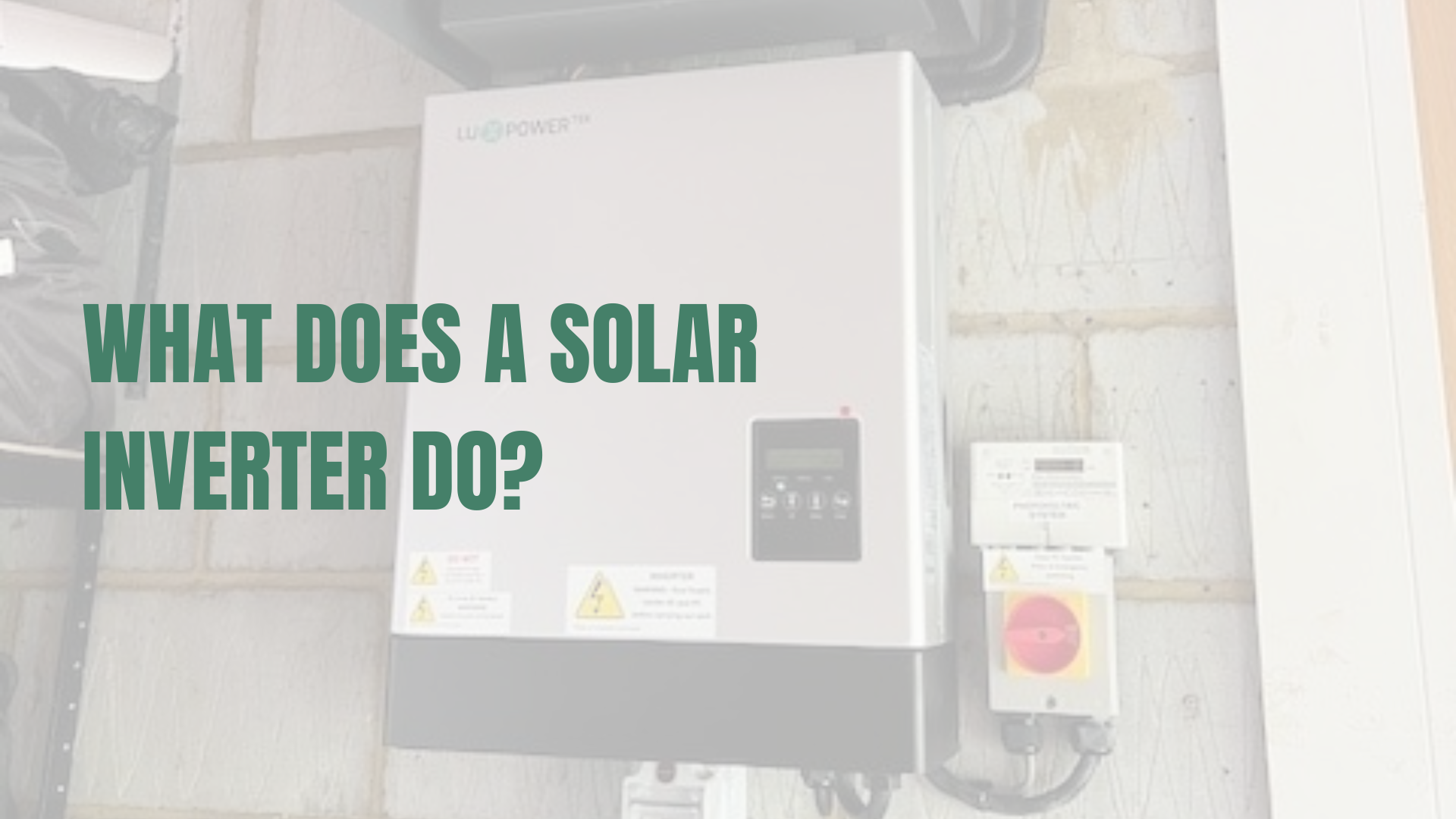
In UK homes, solar inverters are typically installed in your loft, garage or on a utility room wall. The location of your inverter will be assessed for adequate ventilation and protection from extreme temperatures. An experienced installer will always recommend the most suitable location, ensuring all safety measures are adhered to and that your solar inverter is easily accessible for maintenance when required.
How Long Do Solar Inverters Last?
Solar inverters generally have a shorter lifespan than your solar panels, and will need to be replaced at least once during your systems’ lifetime. Solar inverters typically last 8-15 years depending on brand, while your solar panels can generate electricity efficiently for up to 40 years. Most inverters come with 5-10 year warranties, with options to extend. Choosing a reputable brand and sizing your system correctly for your usage can significantly improve longevity.
Can You Monitor a Solar Inverter?
Yes, most modern inverters offer online monitoring, allowing you to track daily, monthly and annual generation. You will be able to see in real time how much electricity you are using vs how much you are exporting. Regular monitoring of your system allows you to identify faults or performance issues early, reducing repair and replacement costs and minimising downtime of your system.
What Happens If the Grid Goes Down?
For safety reasons, most UK solar PV systems shut down during a power cut. This prevents electricity from being fed into the grid while engineers are working to get it up and running. However, if you install a battery system alongside your solar PV panels, you are able to have EPS installed, allowing you to maintain limited power to your home from your battery.
Choosing the Right Solar Inverter
When selecting an inverter, a professional installer will consider roof orientation, shading, system size and whether battery storage it required. Using this information, and details of your budget and long term energy goals, your installer will choose the most suitable inverter for your needs. The cheapest inverter is rarely the best choice long term.
Final Thoughts: Why the Inverter Matters
The solar inverter is the centre of your solar PV system. It determines how efficiently your home can use the energy your panels generate and how future ready your system will be. For UK homeowners at the early stages of looking into solar, understanding the inverter helps you ask better questions, compare quotes accurately and avoid paying too much for underperforming systems.
A well designed solar installation always balances solar panel quality, inverter performance and professional installation.
Contact SolarTherm UK today for a free, no obligation quote and design, tailored to your property, usage and future energy needs. No hard sell, just honest, expert advice – and the time you need to make an informed decision.
Your home. Your energy. Your future.
Frequently Asked Questions
A solar inverter converts the DC electricity generated by your solar panels into AC electricity that your home can use. It also helps monitor and manage the performance of your solar PV system.
Most solar inverters have an expected lifespan of around 10–15 years, although this can vary depending on the type, brand and installation conditions.
Yes. A hybrid solar inverter can manage electricity from your solar panels and battery storage, allowing excess solar energy to be stored and used later.
Inverters are commonly installed on a suitable wall close to the solar panels and electrical equipment. Your installer will choose a location that provides good ventilation and allows easy access for maintenance.
If the inverter develops a fault, your solar panels may stop generating usable electricity. Modern inverters usually display an error code or warning, making it easier for an installer to diagnose the problem.