As interest in renewable energy continues to grow, so too does the amount of misinformation surrounding solar panels. Homeowners across the South East and East Anglia are often held back from making a smart decision by outdated assumptions that no longer reflect how modern solar panels work.
Modern solar PV systems are more efficient, flexible and financially viable than ever before. This guide separates the solar myths from the solar facts, helping you understand what actually matters when considering solar panels for your home and make an informed decision.
Myth 1: Solar Panels Don’t Work Well in the UK
Fact: Solar panels work extremely well in the UK
Modern solar PV panels generate electricity from daylight, not heat or direct sunshine – they even work in diffused light on cloudy days! While summer delivers peak output, your panels are still working hard to generate electricity during winter months. In fact, cooler temperatures can improve panel efficiency, as excessive heat can reduce electrical performance.
The South East benefits from some of the highest sunlight hours in the UK, making it suitably placed for maximum generation and returns.
Myth 2: Solar Panels Are Only Worth It If You’re Home All Day
Fact: Battery storage and smart energy management have changed everything
With developments in solar technology and solar battery storage, you no longer have to be at home all day to benefit from solar power. Solar battery storage allows you to store surplus solar energy for use when you need it most.
Smart inverters and energy monitoring systems also prioritise high consumption appliances automatically, maximising solar usage without lifestyle disruption.
Myth 3: Solar Panels Are Too Expensive to Pay Back
Fact: Payback periods are shorter than ever before
The cost of solar has decreased by almost 80% in the last decade, resulting in shorter payback periods. A typical residential solar PV system can now see a payback period of between 6-12 years. Falling equipment costs, rising electricity prices and improved efficiency mean solar panels now deliver strong long term value. Many South East homeowners are seeing significant reductions in their energy bills from day one.
When combined with battery storage, export tariffs and time of use tariffs, the financial case for solar is stronger than ever.
Myth 4: Solar Technology Hasn’t Improved Much
Fact: Solar panels have advanced significantly in the last decade
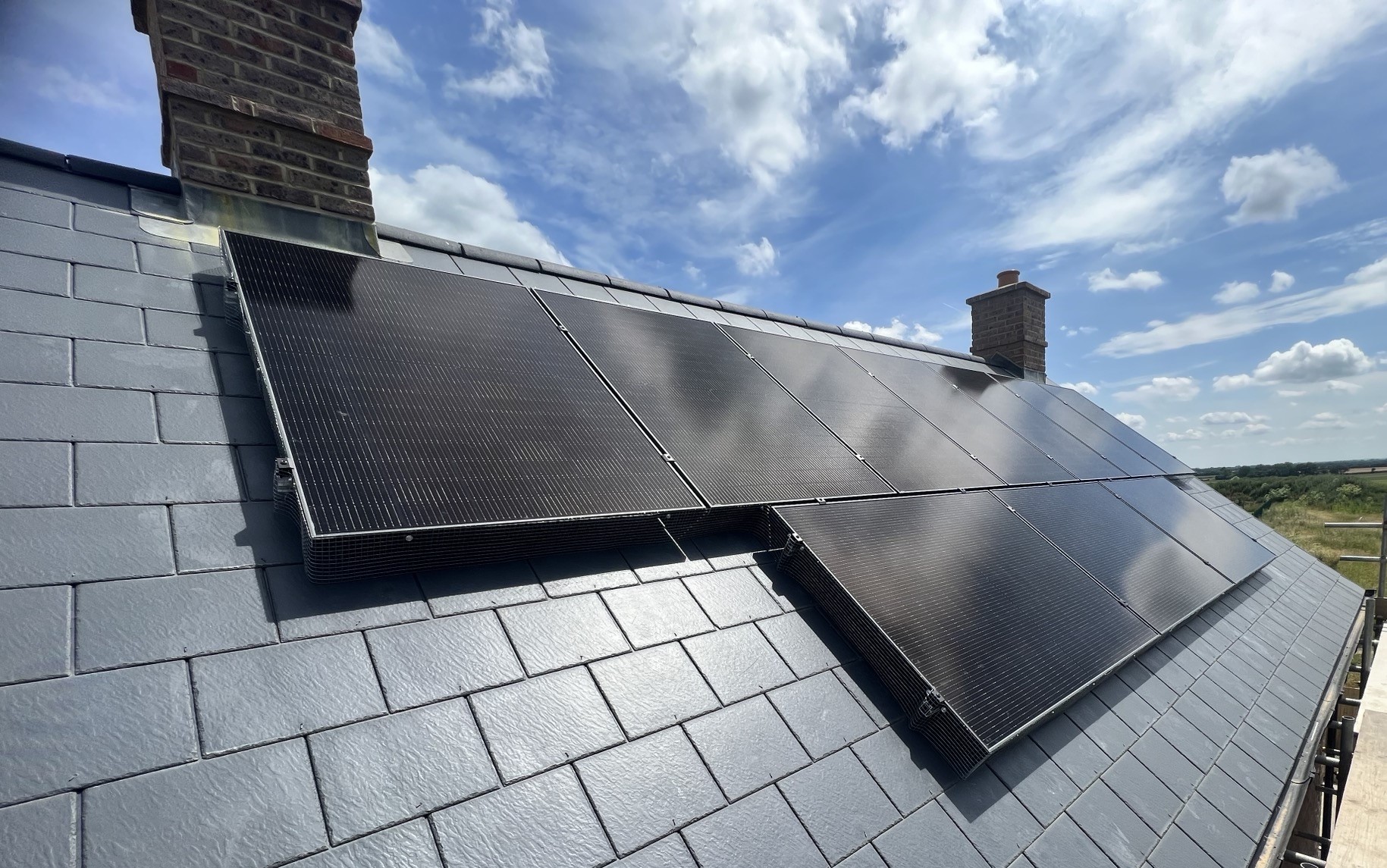
In 2010 when SolarTherm UK opened, solar panels had around an 10-15% efficiency and were 165W blue panels. Today, we are installing AIKO Neostar Monoglass 470W all black panels with an efficiency of up to 23.6%. Today’s solar PV panels are more efficient per square meter and work better in low light conditions.
A solar system design now focuses on whole home energy optimisation, not just panel output, ensuring better real world performance for homeowners. Modern solar inverters and battery storage systems are able to be programmed to optimise your system and work well with time of use tariffs and export tariffs.
Myth 5: Solar Panels Require Constant Maintenance
Fact: Solar panels are low maintenance systems
A professionally installed solar PV system requires minimal upkeep. Occasional inspections, periodic cleaning and system monitoring is usually sufficient to keep your system running efficiently. Modern systems include performance monitoring, allowing issues to be identified earlier resulting in repairs more often than costly replacements.
In most cases, solar panels operate quietly and reliably for decades, with professional system tests carried out every few years to check for damage, wiring faults and required software upgrades.
Myth 6: Solar Isn’t Future Proof
Fact: Solar is one of the most future ready home energy solutions available
Solar panels now integrate seamlessly with all your home energy systems, from home battery storage and EV charging to smart devices and solar diverters. Smart tariffs and time of use pricing makes solar panels and battery storage even more cost effective as choosing the right tariff can save you even more. Installing solar today prepares your home for an increasingly electrified, decentralised energy system. As the country moves away from traditional fossil fuel energy, electric systems are the way forward, and using solar to power your home is a smart investment. Solar protects you from volatile electricity costs, while letting you take back control of your energy future.
What Actually Matters When Going Solar
Rather than outdated and inaccurate myths, homeowners should focus on the facts. System design and quality is just as important, if not more so than the size of your system.
Choose an installer that is experienced and accredited like SolarTherm UK – operating for over 15 years and MCS accredited. Choosing a system that is compatible with battery storage and can be expanded if your energy needs change, helps you prepare for the future.
At SolarTherm UK, all our quotes are verified by independent third party EPVS (Energy Performance Validation Scheme), ensuring system performance and returns estimates are accurate and not over-inflated.
Look at the proposed system and make sure you fully understand the warranties and what is required from them to remain valid. Some warranties will require annual system inspections at added cost to yourself, while others are shorter and only cover performance.
A well designed system will provide you with decades of free, reliable electricity, saving you up to 80% on your energy bills and will always outperform a generic installation.
Solar Panels: The Smart Choice for 2026
For homeowners across Essex, Kent, Suffolk, Hertfordshire and the wider South East and East Anglia, solar panels remain one of the most effective ways to reduce energy bills, lower carbon emissions and gain long term energy independence. By understanding the facts about solar panels, you can make confident, informed decisions, free from outdated myths that no longer apply.
Contact SolarTherm UK today for a free, no obligation quote and design, tailored to your property, usage and future energy needs. No hard sell, just honest, expert advice.
Your home. Your energy. Your future.