As energy costs, climate concerns and sustainability targets continue to dominate headlines, Net Zero has become one of the most important concepts shaping the UK’s future. But what does Net Zero actually mean? How does it work in practice? And what are the latest developments homeowners should be aware of?
In this guide, we break it down in a clear, practical way – helping you understand how Net Zero impacts your home, energy bills and long term investment decisions.
What Is Net Zero?
Net Zero refers to achieving a balance between the greenhouse gases we emit and the amount we remove from the atmosphere. In simple terms, we still produce some emissions (e.g. heating, transport, electricity use), but we offset or eliminate them through clean energy, efficiency and carbon removal. The UK is legally committed to reaching Net Zero by 2050 under the Climate Change Act 2008 UK Net Zero amendment.
How Does Net Zero Work?
Net Zero isn’t about switching everything off – it’s about transforming how energy is produced and used.
Reducing Energy Demand – improving efficiency through better insulation, energy efficient appliances and smart energy use.
Switching to Renewable Energy – replacing fossil fuels with solar power, wind power and battery storage systems.
Electrification – moving away from gas and petrol – using electric vehicles (EVs), heat pumps and electric heating systems.
Carbon Offsetting and Removal – for emissions that can’t be eliminated, more trees need to be planted and carbon capture technologies developed.
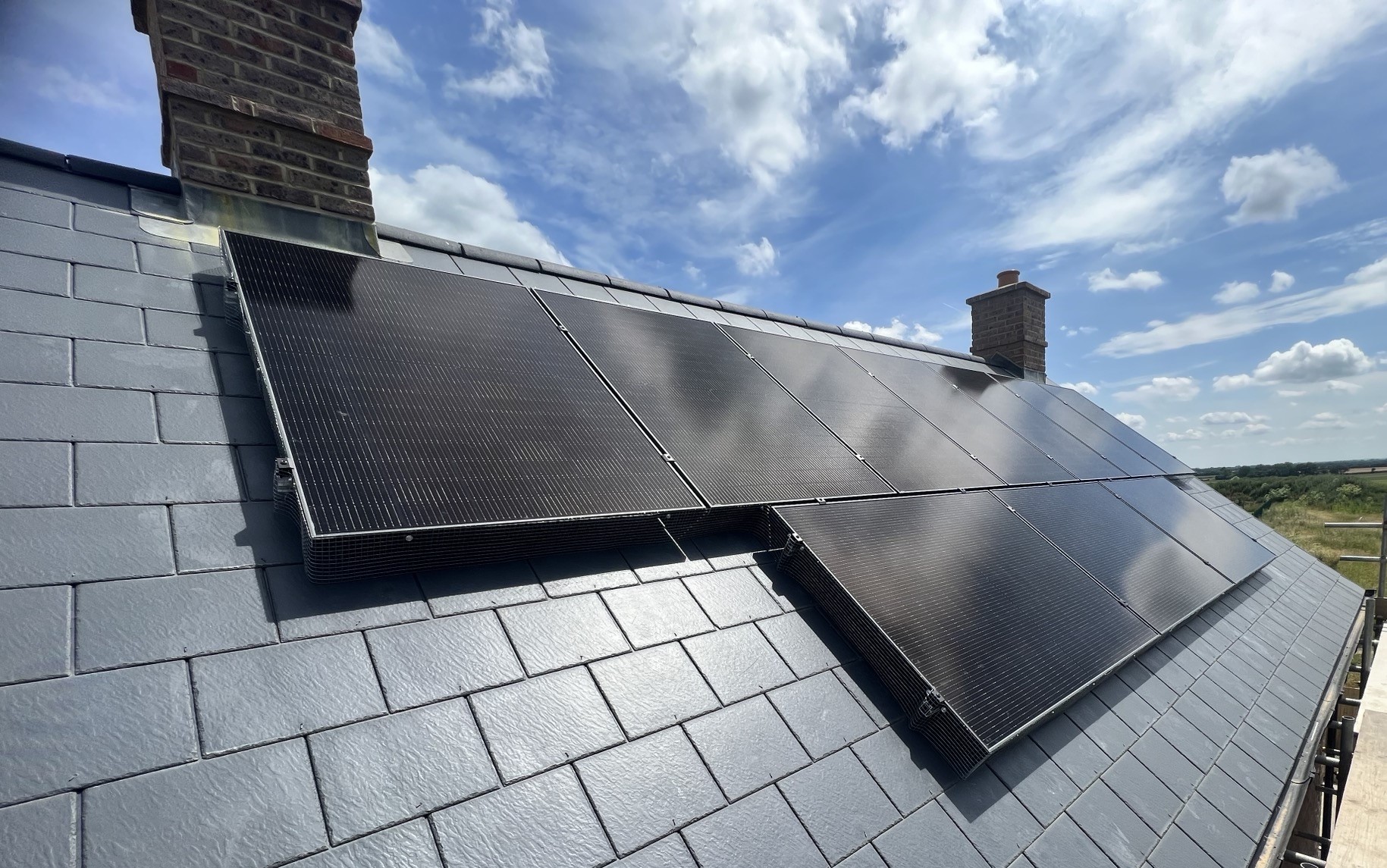
For homeowners, the biggest impact typically comes from solar panels and battery storage, which directly reduce reliance on grid electricity.
Why Net Zero Matters for UK Homeowners
Net Zero isn’t just a government target – it directly affects household energy decisions. Energy prices remain volatile, so generating your own electricity reduces exposure to price spikes, every unit of your self-generated electricity you use is a unit less you need to buy from the grid. Include battery storage with your system and you can increase your self-consumption to almost 80%. Battery storage allows you to store surplus daytime generation for use in the evening and overnight when energy prices can peak.
As the cost of living increases, home buyers are increasingly looking for properties that can help reduce energy costs – so a solar installation can increase property value, up to 14% in some cases. Solar aligns your property with future EPC requirements, and can help your EPC rating increase by up to 2 grades.
Latest Net Zero Updates in the UK
The UK government continues to evolve its Net Zero roadmap through the UK Government Net Zero Strategy. Key updates include:
Increased Focus on Home Energy Efficiency
- Stricter EPC targets expected for existing homes
- Greater emphasis on retrofit upgrades
Solar Growth Acceleration
- Solar is now one of the fastest growing energy sources in the UK
- Rooftop solar installations are being actively encouraged
Battery Storage Adoption
- Rising demand for home battery systems
- More homeowners pairing solar with storage to maximise savings
Electrification Push
- Continued transition away from gas boilers
- Incentives for low carbon heating solutions
How Solar and Battery Storage Support Net Zero
For residential properties in Essex, Kent, Suffolk, Hertfordshire and the wider South East and East Anglia, solar energy is one of the most practical steps toward Net Zero. Using clean, renewable electricity instead of carbon intensive fossil fuel generated electricity can reduce your carbon footprint significantly. Solar helps to reduce energy bills; every unit of self-generated electricity you use is a unit you don’t need to pay for from the grid.
Installing solar future proofs your home before Net Zero policies make solar compulsory. Giving you control over your energy sooner than others who are waiting for policy changes to come into effect.
A properly designed system can significantly reduce a home’s emissions while delivering long term financial returns.
Is Net Zero Achievable for Homeowners?
Yes – but it won’t happen overnight. Most households move toward Net Zero in stages:
- Install solar panels
- Add battery storage
- Improve insulation and efficiency
- Transition to electric heating and EVs
Each step reduces both emissions and energy costs.
Why Trust SolarTherm UK?
At SolarTherm UK, we specialise in helping homeowners across Essex, Kent and the wider South East transition toward smarter, cleaner energy. Our approach is built on:
- Tailored system design based on real usage
- Honest, no pressure advice
- High quality solar and battery installations
- Ongoing support and expertise
We don’t just install systems – we help you understand how to make Net Zero work for your home.
Final Thoughts
Net Zero is no longer a distant concept – it’s actively shaping how energy is produced, regulated and consumed in the UK. For homeowners, this presents a clear opportunity to reduce energy bills, increase property value and take back control of their energy use by contributing to a more sustainable and independent energy future.
If you’re at the start of your solar journey and want clear, expert advice, contact SolarTherm UK today for a free, no obligation quote and design, tailored to your property, usage and future energy needs. No hard sell, just honest, expert advice – and the time you need to make an informed decision.
Your home. Your energy. Your future.
FAQs
What is the Net Zero target for the UK?
The UK aims to reach Net Zero by 2050, meaning all emissions are balanced by removal or offsetting.
Does solar energy help achieve Net Zero?
Yes. Solar reduces reliance on fossil fuels and cuts household carbon emissions significantly.
Do I need battery storage for Net Zero?
Not essential, but highly recommended. Batteries maximise solar usage and reduce grid dependence.
Will Net Zero affect energy prices?
It already is. The transition to clean energy is reshaping pricing, making self-generation more valuable.
Can my home become fully Net Zero?
It’s possible, but most homes aim for “Net Zero ready” by combining solar, storage, and efficiency improvements.