When you think about solar power, you mostly think of rooftop solar or the large solar farms right? These aren’t the only ways you can generate power using the sun – floating photovoltaic (FPV) systems are starting to appear on reservoirs around the UK.
With a growing demand for renewable energy and the UK’s commitment to Net Zero, floating solar panels seem like a solution instead of using farmland.
At SolarTherm UK, we’re always looking into the future of solar to see how it can work harder and smarter for the UK’s energy needs. Floating solar might just be the innovative solution the UK needs.
What is Floating Solar?
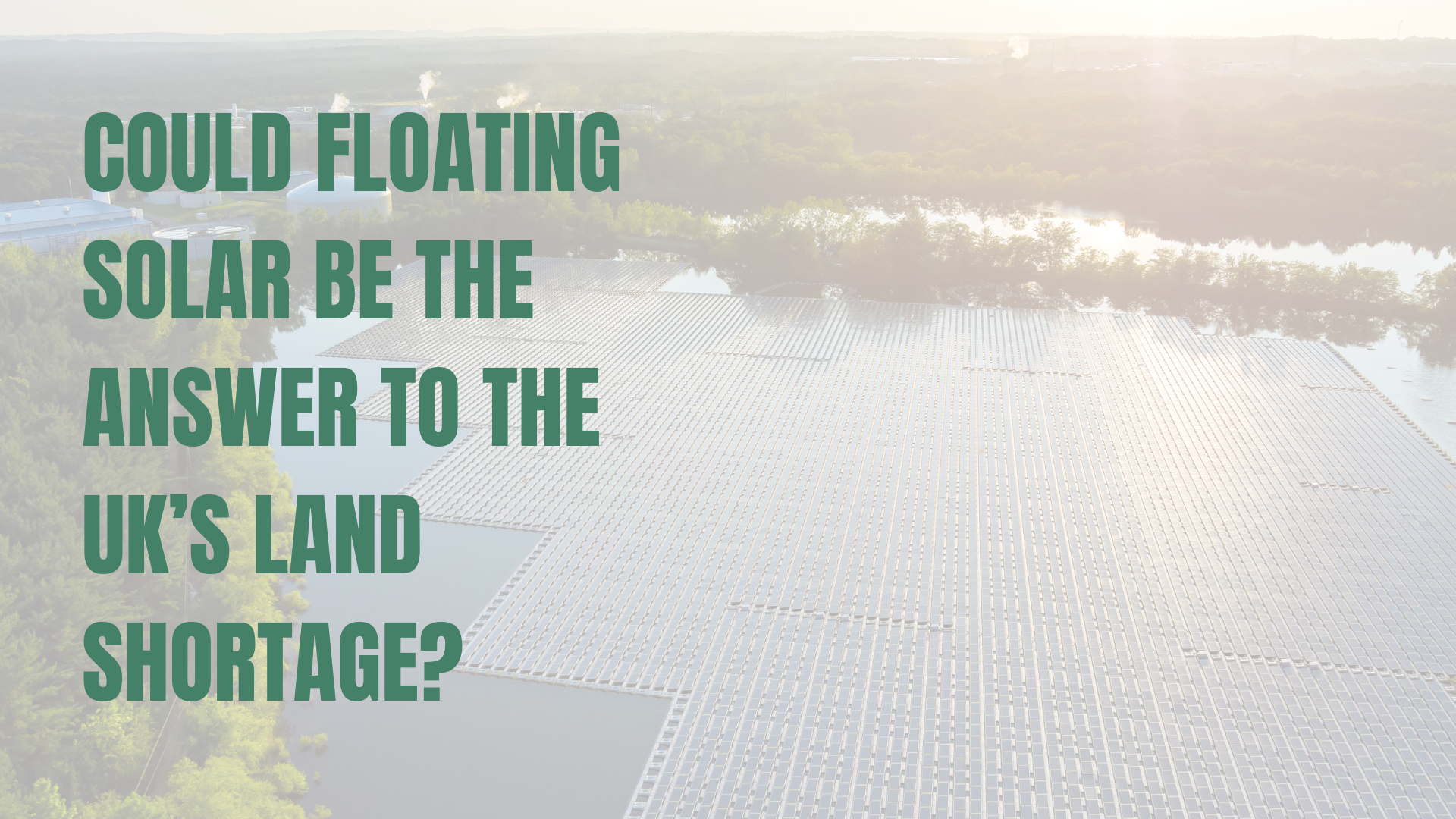
Floating solar refers to solar panels installed on bodies of water such as reservoirs, lakes, water treatment plants and quarry ponds. The systems are mounted on floating platforms that rise and fall with water levels. The solar panels then generate electricity like a normal solar array – by capturing the sun’s light and converting it into DC (direct current) electricity.
Why Floating Solar Makes Sense in the UK?
The UK is a tiny island – land is limited and valuable. Large solar farms are often met with resistance from local communities due to concerns about agriculture, biodiversity and aesthetics, meaning planning permission is often a long and laborious process – sometimes unsuccessful.
Floating solar solves many of these problems, water surfaces are underused space and prevent land use conflict. They help preserve farmland, essential for UK self-reliance food security. Bodies of water also provide the perfect conditions for solar panels as they are a naturally cool environment, perfect for the optimum efficiency of solar panels, and the installation will also help with water shortages as covering the surface of the reservoir with solar panels will prevent water evaporation.
Floating Solar – Already Making Waves
Floating solar isn’t just a far-fetched future thinking concept – it’s already happening in the UK. The Queen Elizabeth II Reservoir in Surrey is home to Europe’s largest floating solar array – consisting of 23,000 panels. Covering the power to a nearby water treatment plant, the array saves around 2,500 tonnes of carbon emissions every year. In Greater Manchester, a 3MW floating solar installation on the Godley reservoir powers the United Utilities water treatment plant, reducing the reliance on fossil fuels.
So, Could Floating Solar be the Answer?
Floating solar may not replace rooftop solar or traditional solar farms, but it can complement them – especially when viable land is unavailable. It’s low-impact, high-efficiency and helps unlock power from places never looked at before, but currently it’s being held back by the higher costs, technical complexity and limited awareness. With support from the government, energy providers and clean tech innovation, floating solar can become part of the UK’s renewable energy landscape in the years ahead.
Want to start your solar journey?
Instead of waiting for the government and utility companies to provide clean, green electricity, why not supply your own. Whether it’s rooftop solar or a small ground mounted installation, SolarTherm UK can help you design your perfect solar PV system. Contact us today for a free bespoke quote and design, tailored to your property, usage and future energy needs. No hard sell, just honest, expert advice – and the time you need to make an informed decision.
Your home. Your energy. Your future.
Frequently Asked Question
Floating solar, or floating photovoltaic (FPV), is a solar PV system installed on a floating structure on bodies of water such as reservoirs, lakes and quarry ponds.
Floating solar can generate renewable electricity without using valuable land for solar farms. It can also help reduce water evaporation and the cooling effect of the water can support efficient panel operation.
Yes. Floating solar projects are already operating in the UK, including a large installation at the Queen Elizabeth II Reservoir in Surrey and a 3MW system at Godley Reservoir in Greater Manchester.
Not necessarily. Floating solar is best viewed as a complementary technology. It can be particularly useful where suitable land is limited, while rooftop and ground-mounted solar remain important parts of the UK’s renewable energy mix.
Higher installation costs, technical complexity, environmental considerations and the need for suitable bodies of water can make floating solar more challenging than conventional solar PV. As the technology develops, these barriers could become easier to overcome.