As households across the South East look for ways to cut energy bills and reduce carbon emissions, one question comes up time and again: are smart homes the way forward?
Smart technology is transforming how we heat, power and manage our homes. When combined with solar panels, battery storage and smart energy tariffs, smart homes can play a meaningful role in reducing reliance on the grid and lowering emissions.
How effective are smart devices really? Where do they make the biggest difference?
A Smarter, Lower Carbon Future
A smart home uses connected technology to monitor, control and optimise energy use. From heating and lighting to appliances and EV charging, smart systems allow homeowners to use electricity when it’s cheapest, cleanest and most abundant.
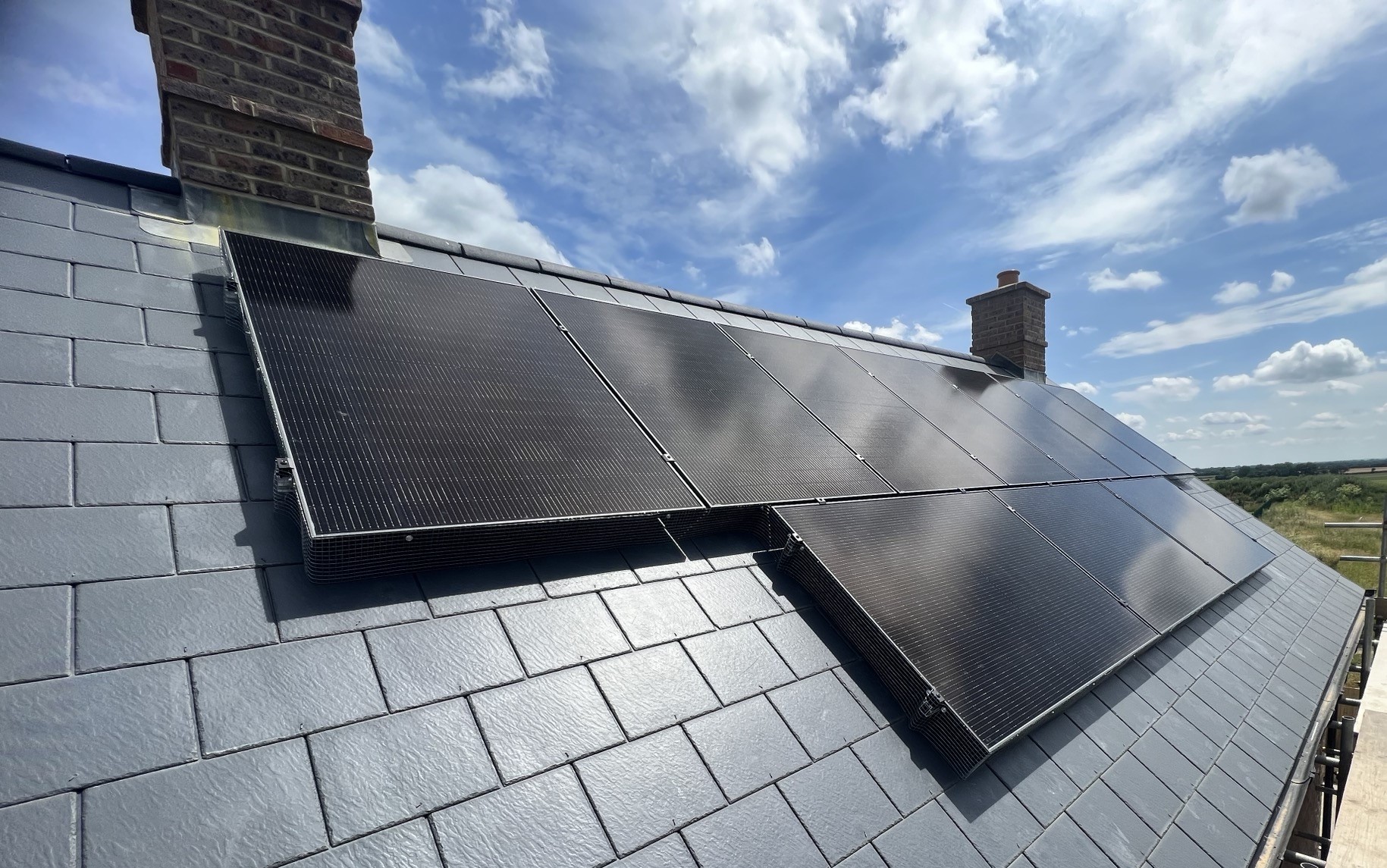
In the South East, where solar generation is strong, smart homes work particularly well alongside solar PV systems, helping households maximise self-consumption of free solar electricity rather than exporting it cheaply back to the grid.
Smart Heating Controls and Energy Efficiency
Heating is the biggest source of household energy use and carbon emissions in UK homes. Smart thermostats and heating controls can:
- Learn your preferred temperatures
- Reduce heating when rooms aren’t in use
- React to weather forecasts
- Allow remote control via smartphone apps
Advanced systems use weather and load compensation, improving boiler or heat pump efficiency by adjusting flow temperatures. This reduces wasted energy while maintaining comfort. When paired with solar PV and battery storage, smart heating controls can prioritise heating when renewable electricity is available, cutting both costs and carbon.
Smart Meters: The Gateway to Smarter Energy
Smart meters don’t reduce energy use on their own, but they unlock smarter ways to manage it. They:
- Provide real time energy usage data
- Eliminate estimated bills
- Enable access to smart tariffs
- Support services like grid demand response
For homes with solar panels, batteries or EV chargers, a smart meter is essential for optimising when energy is important, exported or stored. A smart meter is always needed to access time of use tariffs, which can be utilised to save even more money.
Smart Appliances and Off Peak Electricity
Smart appliances can automatically run when electricity is cheapest and greenest, often overnight or during periods of high solar generation. This is especially effective when combined with smart tariffs, home battery systems and solar PV generation.
Instead of manually setting timers, appliances can respond dynamically to grid conditions, helping reduce strain on the electricity network, while lowering household energy costs.
Smart Charging, EVs and Home Batteries
Smart charging is one of the most impactful smart home technologies. For homes with electric vehicles, battery storage and solar PV systems, smart chargers ensure batteries are filled when electricity is cheapest or when solar generation is high.
In the future, vehicle to grid (V2G) technology could allow EVs to power homes or export energy back to the grid during peak demand. This flexibility will be vital for a low carbon energy system.
Smart Tariffs and Renewable Energy
Smart tariffs reward homeowners for using electricity when supply is high and demand is low. Examples include:
- Fixed off peak tariffs
- Agile tariffs with half-hourly pricing
- Export tariffs for solar generation
In the South East, homes with solar panels and battery storage can take full advantage of these tariffs – charging batteries cheaply, using stored energy at peak times and exporting excess electricity for payment. This approach supports wider grid decarbonisation by matching demand with renewable supply.
Smart Lighting: Convenience Over Carbon Savings
Smart lighting is convenient, but it doesn’t always reduce energy use. Switching to modern LED bulbs usually reduces your energy use more than smart lighting as in many cases, smart bulbs consume standby power even when switched off.
Are Smart Homes Worth It?
Smart technology can absolutely help to reduce carbon emissions and your energy bills, but only when used strategically.
The biggest gains come from smart heating controls, time of use tariffs and solar PV with battery storage. At SolarTherm UK, we see the greatest impact when smart technology is integrated into a renewable energy system, not used in isolation.
For homeowners across the South East, smart homes – combined with solar and storage – offer a clear path to lower bills, greater energy independence and a smaller carbon footprint.
Looking to Build a Smarter, Greener Home?
SolarTherm UK designs and installs solar PV, battery storage and smart EV charging across the South East. If you’re considering a smarter way to power your home, our experienced team can help you get it right from day one.
Contact SolarTherm UK today for a free, no obligation quote and design, tailored to your property, usage and future energy needs. No hard sell, just honest, expert advice.
Your home. Your energy. Your future.