As spring arrives across the South East, longer days and milder temperatures create the perfect conditions for homeowners to reduce energy usage and lower household bills. It’s also one of the most effective times of year to maximise the benefits of solar PV systems, with increased daylight hours driving higher energy generation.
At SolarTherm UK, we regularly help homeowners across Essex, Kent and the wider South East make the most of seasonal energy opportunities. Below are three practical, cost effective ways to reduce your energy consumption this spring – while setting your home up for long term savings.
Take Advantage of Natural Light and Outdoor Living
As daylight hours increase, your reliance on artificial lighting and indoor energy use naturally decreases. Making small behavioural changes can deliver noticeable savings:
- Keep lights switched off during the day wherever possible
- Spend more time outdoors to reduce appliance and device usage
- Open curtains and blinds to maximise natural light and warmth
Spring also brings an opportunity to ditch energy hungry appliances like tumble dryers. Air drying clothes outdoors is completely free and can save households hundreds of pounds annually – especially as energy prices remain volatile.
Beyond energy savings, spending time outdoors has well documented benefits for mental and physical wellbeing, making this a simple lifestyle shift with multiple advantages.
Adjust Your Heating for Warmer Temperatures
With milder spring weather, your heating system no longer needs to work as hard as it did during winter. Yet many households forget to adjust their thermostat settings – leading to unnecessary energy waste.
To optimise your energy use:
- Lower your thermostat by 1-2°C
- Reduce heating schedules, especially during daytime hours
- Turn heating off completely on warmer days
Even small adjustments can significantly cut your energy bills over time. According to energy efficiency guidance, reducing your thermostat by just one degree can lower heating costs by up to 10%.
Harness Spring Sunshine with Solar Energy
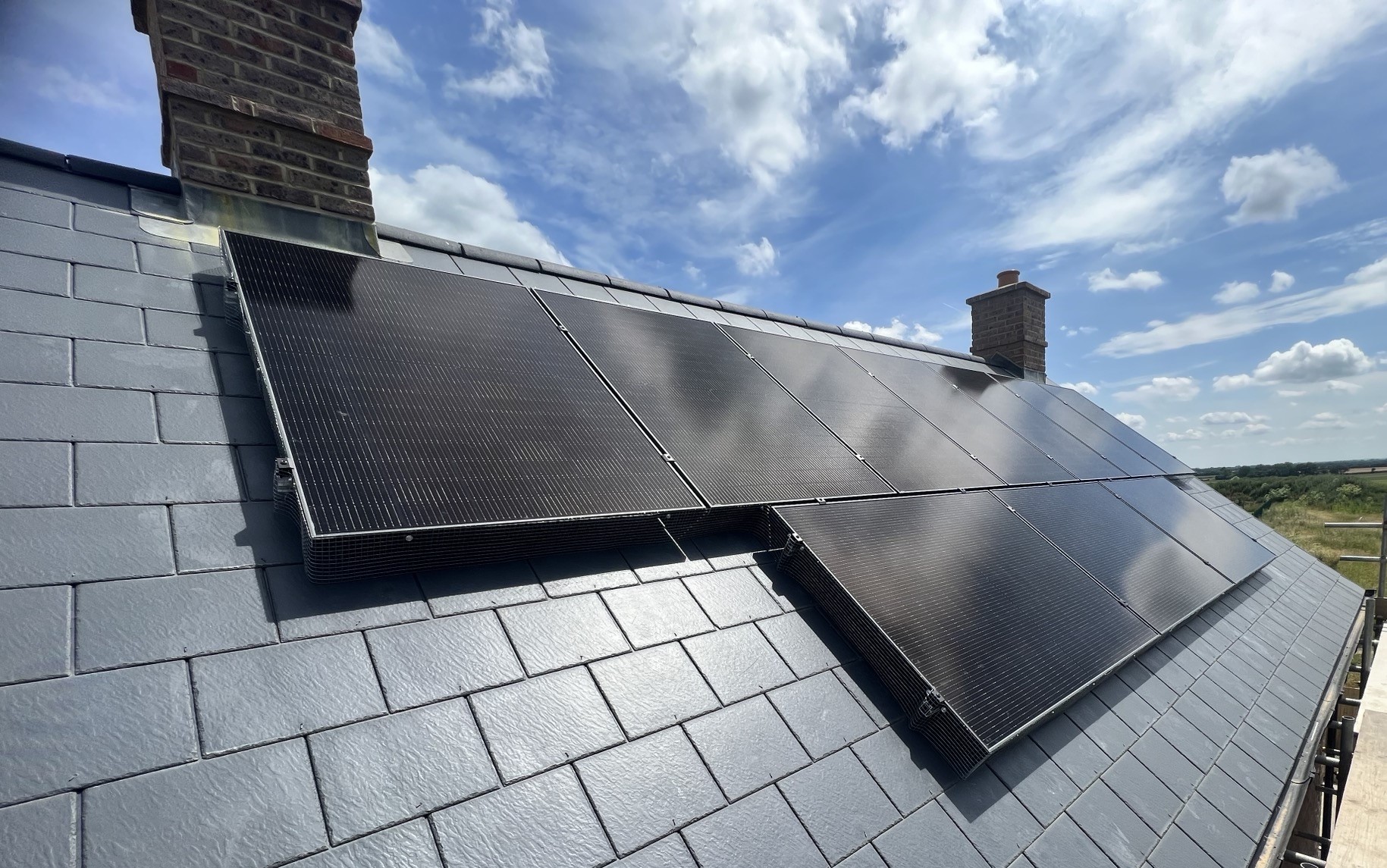
Spring marks the beginning of peak solar generation in the UK. In fact, around 70% of annual solar energy production occurs between March and September, making this the ideal time to invest in solar PV.
Installing solar panels now allows you to:
- Generate more of your own electricity during peak months
- Reduce reliance on grid energy and rising tariffs
- Lower long term household energy costs
At SolarTherm UK, we design and install high performance solar systems tailored to homes across the South East. Our team provides transparent advice, MCS certified installations and ongoing support – ensuring you get the maximum return on your investment.
Why Choose SolarTherm UK?
- Local expertise across Essex, Kent, Suffolk and the wider South East
- MCS certified installers ensuring compliance and quality
- Proven experience in residential solar PV systems
- Honest, no pressure consultations and tailored system designs
- Strong customer satisfaction and aftercare support
We prioritise long term performance, system reliability and clear communication – helping homeowners make informed energy decisions with confidence.
If you’re looking to reduce your energy bills and future proof your home, spring is the ideal time to act. Contact SolarTherm UK today for a free, no obligation quote and design, tailored to your property, usage and future energy needs. No hard sell, just honest, expert advice – and the time you need to make an informed decision.
Your home. Your energy. Your future.
FAQs
Is spring a good time to install solar panels in the UK?
Yes—spring is one of the best times to install solar panels. Longer daylight hours and increasing sunlight mean your system starts generating strong returns almost immediately.
How much could I save on energy bills with solar?
Savings vary depending on system size and usage, but many UK homeowners reduce electricity bills by up to 80% when combining solar with smart energy use.
Do solar panels still work on cloudy days?
Yes. Solar panels generate electricity from daylight, not just direct sunlight, so they continue to work even in overcast conditions.
Will I still need to use my energy supplier?
Yes, but significantly less. Solar reduces your reliance on the grid, and you can also export excess energy for additional savings through schemes like the Smart Export Guarantee (SEG).
How long does installation take?
Most residential solar PV installations are completed within a days depending on system size and roof complexity.